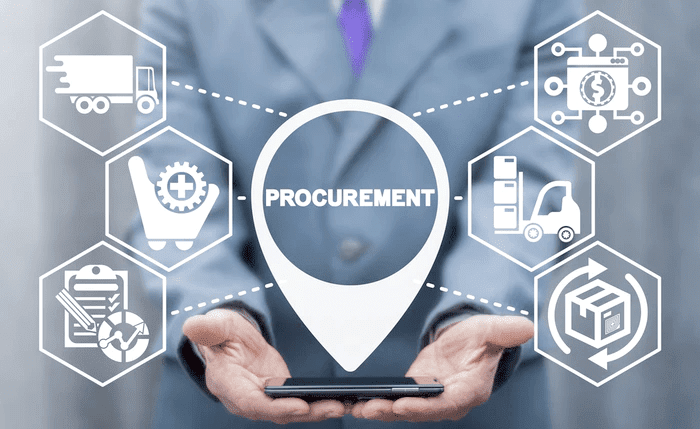
How Digital Procurement Tools Drive Cost Savings in Construction Projects
Construction projects are run on small budgets, supply chains, and within time limits. Even a small inefficiency in the procurement of materials or vendor management can lead to a tremendous increase in costs. The procurement digital transformation is aiding construction companies to make purchases lean, create increased transparency, and minimize waste throughout the lifecycle of the project.
Construction businesses are automating workflows, spending control, and improving collaboration with suppliers through modern construction procurement software. The tools can reduce the costs of operations as well as introduce long-term financial resilience through an increase in compliance, accuracy, and strategic decision-making.
Procurement Software Companies: Construction Procurement Cost Efficiency Powered.
The digital procurement platforms are changing the method of sourcing, purchasing, and managing vendor relationships of construction firms. They automate manual processes and give real-time insights, thus removing inefficiencies that are a common source of inflated costs in projects.
1. Automated Purchase Workflows save on administrative expenses.
Purchase orders, approvals, and matching invoices are time and labor-consuming activities done manually. These processes are automated by digital procurement tools, and less paperwork and human error are involved. There is automated routing where approvals are faster, and there are no delays in the projects that are characterized by the existence of bottlenecks.
The construction companies also enjoy better productivity and lower administrative costs. Strategic tasks can be reduced, so repetitive data entry can be avoided, and operational costs are reduced, as well as the accuracy of the procurement processes is improved.
2. Cost overruns are avoided by Real-Time Budget Tracking.
Projects in the construction sector are usually characterized by cost increases because of the lack of transparency of expenditure. Procurement sites also have real-time dashboards that monitor the expenses in relation to the budgets so that they can have proactive financial control.
Project managers are able to detect excessive spending at an early stage and implement proper procurement strategies. This visibility will guarantee efficient allocation of funds, hence eliminating budget shock at the last minute. Real-time insights enable the stakeholders to make data-driven decisions that can ensure the projects remain cost-neutral and on track with the cost estimates.
3. Supplier Management Improves Competitive Pricing.
Good supplier relations are vital in saving costs. Digital tools consolidate the data of the vendors, their performance, and price history, enabling the construction firms to bargain for better terms.
Having access to the performance of suppliers, companies will be able to choose a vendor according to their reliability, quality, and cost efficiency. The material costs are minimized, and there is a high standard due to competitive bidding and transparent evaluation processes. In the long run, such a strategy of sourcing has a great impact on decreasing the costs of procurement.
4. The Sourcing Based on Data Enhances Material Planning.
The construction projects depend on proper forecasting of materials. The procurement platforms utilize past data and utilization patterns to designate the requirements of materials, avoiding excess or shortages.
Inventory optimization saves storage expenses and inventory wastage. There is also the ability to match procurement with real project requirements, which enables firms not to commit their capital to stocks that are unnecessary. Data sourcing is efficient in the mobilization of resources, an aspect that guarantees significant procurement cost savings in large construction projects.
Enhancing Financial Management via Digital Procurement Measures.
In addition to automation, digital procurement also brings in strategic financial control implementations, which assist the construction companies to spend in the best way possible and minimize risk.
1. Maverick Spending is minimized through standardized Procurement Policies.
Unmanaged buying out of the authorized channels tends to increase the project cost. Online procurement systems implement uniform policies and approval processes, making sure that the purchases do not exceed the budget and compliance provisions.
Firms have a closer check on their finances by restricting spending that is not authorized. Audit readiness and accountability are also enhanced through standardized procedures. Such a systematic design would help in deciding the procurement to assist in cost-efficiency and organizational goals.
2. Freudian EPDs Enhance Cash Flow.
Automation of invoice processing gives construction firms the opportunity to claim early payment discounts from suppliers. Such discounts may create huge savings in high volumes of procurements.
It is because of the quickness and accuracy of invoices that are carried out with the help of digital tools that missed opportunities are eliminated. Better cash flow management enables the firms to distribute resources better and also enhances the supplier relations by making timely payments.
3. Risk redresses prevent expensive project delays.
The costly delay in project completion can be caused by supply chain disruption and non-conformity by suppliers. The procurement platforms evaluate the risk of suppliers and evaluate performance to ensure credibility.
Construction firms have the ability to diversify suppliers and have contingency plans by identifying the possible risks before time runs out. This is a proactive risk management that will reduce delays and safeguard project budgets against cost increases that come in unannounced.
4. Concentrated Data Enhances Financial Projections.
The availability of centralized procurement data will enable construction companies to have a more accurate forecast of the costs. The past is understandable and can help in planning future projects in a realistic way so that budgets are realistic and doable.
Proper forecasting will ensure that financial uncertainties are minimized and enable the firms to spend their resources in a strategic manner. This information-based strategy empowers financial planning and improves profitability over the long term in the building industry.
Summary
The construction cost management is being revolutionized by the digital procurement tools, which are increasing transparency, automation, and collaboration among suppliers. Such platforms have the ability to assist companies in achieving cost reductions that are quantifiable and also to enhance sourcing practices, reduce budget excesses, and enhance operational effectiveness. Effective procurement cost savings. This would ensure that the procurement activities are in accordance with the policies, regulations, and contractual requirements. By making sure that compliance is followed and relying on the insights presented by data, construction firms will be able to reduce financial risks, improve accountability, and develop sustainable cost-reduction measures.
Procol is a prominent online procurement system that enables construction firms with smart automations, a live spending tracker, and workflows that are guided by compliance. Procol can enable organizations to cut costs, enhance governance, and realize quantifiable efficiency within sophisticated construction projects by simplifying sourcing, supplier management, and approval processes.
Stay in touch to get more updates & news on Fappening Blog!