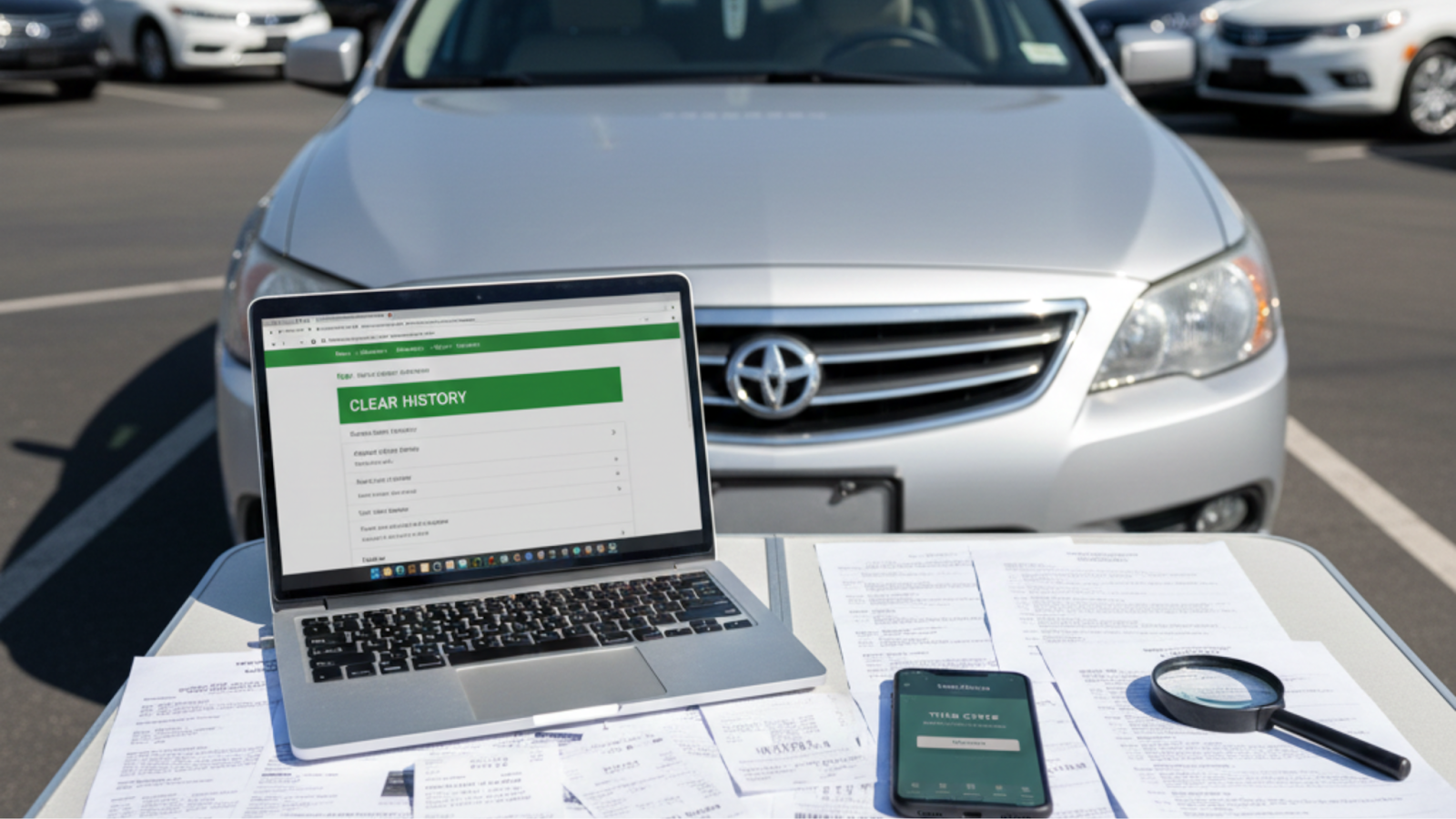
Cheap Carfax Report: The Smart Way to Save on Vehicle Checks
A used car often looks great at first sight, but its past is where the real details are. Most people assume the car is fine if it drives smoothly for a few minutes, but issues from earlier owners can return as expensive repairs. A history report gives you a clearer picture, though buying full Carfax reports for several cars can get heavy on the wallet. The good news is there are cheaper ways to stay informed. All you need is a smarter, more cost-friendly method to get the facts.
Why You Should Still Care About the Car’s History
A car’s history shapes its future performance. If it took a heavy hit in an accident, the frame might never be as solid again. If someone changed the mileage, the engine could be far more used than it looks. And if the title isn’t clean, you could run into trouble when insuring or selling the vehicle. These details help you understand the car’s real worth. A history report shows all of this upfront. Paying less for that report shouldn’t cost you accuracy, you want solid, verified information, not guesses.
Start by Asking the Seller for a Report
Before paying for anything, ask the seller if they already have a history report. Many dealerships buy reports in batches and include them for free. Some private sellers also attach a report to the listing because it helps them gain trust. If the seller already has a report, it saves you money right away. It also reflects the seller’s honesty. If they hesitate to show a report or keep making excuses, that’s reason to be cautious. A good seller offers the information openly and without any push.
Use Low-Cost VIN Reports When the Seller Has Nothing
If the seller does not have a report, you can turn to cheaper options that offer solid VIN details. These tools collect records from insurance entries, service centers, auctions, inspection stations and state files. They show the most important points like accident records, title changes, mileage updates, service notes and recalls. These reports cost much less but still give a clear picture of the car. You’ll find this useful when comparing a lot of cars, as it stops you from dumping too much money into investigating one before you’re sure about it.A low-cost VIN report often gives enough information to filter out risky cars early.
Check the Title Status Through Free State Tools
Most states let you check the title status of any car for free. This is an important step because the title reveals things that every buyer must know. You can see if the car is marked as salvage, rebuilt, flood damage or lemon. You can also check if there is a lien on the car. A car with an active lien cannot be sold freely. These details protect you from legal issues. When you combine this free check with a cheap VIN report, you cover both the legal and mechanical sides of the car’s past.
Compare Mileage Across Different Sources
Mileage is one of the biggest clues in a used car. A clean car with low mileage seems attractive, but rolled-back odometers are still a real problem. You can avoid this by checking mileage from multiple sources. Look for mileage stamps in service records, inspection sheets, old ads, oil change stickers and VIN report entries. These numbers should follow a steady pattern. If one number drops or looks out of place, the car is likely not honest. This step is simple, free and protects you from long-term risks. A cheap VIN report often highlights mileage issues too.
Look Up Open Recalls for Free
Every car maker shares recall information at no cost. You only need the VIN to check for safety issues that still need repairs. Some recalls involve airbags, engine parts or braking systems. These can affect your safety. If a recall is still open, the repair is usually free at the dealership. A low-cost VIN report may also show recall notes, but the official check gives direct and updated results. This helps you judge how well the car was maintained.
Search for Old Listings of the Same Car
Many buyers forget that the internet stores older listings for years. Searching the VIN online can reveal how the car looked before, how much it was listed for and what mileage was posted in the past. Older photos may show dents or damage that the current seller does not mention. Past descriptions might reveal issues that are now missing from the new listing. Old listings also help you see whether the mileage has been changed. This extra step adds depth to your research and costs nothing.
Ask the Seller for Receipts or Maintenance Notes
Service records are one of the strongest signs of a well-cared-for car. You know a seller is serious when they hand over a folder full of maintenance receipts. Records for things like repairs and oil changes give you a much better picture of what you’re buying. Take a minute to match the mileage on those papers with your VIN report. The facts should always line up perfectly. If you spot a contradiction, ask them to explain it right away. Their explanation is the best way to figure out if you can truly trust their word.
Get a Mechanic to Inspect the Car
A VIN report tells you what happened in the past. A mechanic tells you what is happening right now. Even a car with a clean history may have problems that developed later. A mechanic can check for leaks, worn parts, hidden rust, frame issues, odd noises and signs of poorly done repairs. This inspection gives you peace of mind. It also helps you avoid spending money on repairs right after buying the car. A mechanic visit is far cheaper than fixing major issues later.
Combine Multiple Sources Instead of Relying on One
No single report has every detail about a car. Carfax may miss some service records. Other tools may miss smaller insurance entries. State databases may update slowly. This is why using a mix of tools works better. A cheap VIN report gives you the core details. A state title check confirms the legal status. A recall search covers safety. Old listings reveal past conditions. A mechanic covers the car’s current shape. When these pieces come together, they create a complete and reliable picture. This approach saves money and increases accuracy at the same time.
Why This Method Saves Money Without Risk
Most hidden issues leave more than one clue. A major accident shows up in insurance files and auction notes. Flood damage appears in state records and old photos. Mileage fraud appears in service logs and inspection sheets. Why pay a premium? The smart move is using multiple, cheap resources. It’s a brilliant strategy for managing risk: if one tool ‘drops the ball,’ another immediately ‘picks it up.’ You maintain high standards and keep your overhead super low.
Final Thoughts
A smart buyer does not depend on one expensive report. You can make a safe choice by using affordable VIN checks, free government tools, recall searches, old listings and simple inspections. Why pay top dollar for a report when these steps offer the exact same certainty for free? Just follow them carefully. It means no bad stuff popping up later, no feeling like you messed up, and just having the perfect car for what you actually do. Saving money does not mean losing accuracy. It means using better methods to see the real story behind any used car.