How to Measure Your Bra Size the Thirdlove Way
Finding the right bra size can make a major difference in comfort, support, and confidence. Yet for many women, bra sizing still feels confusing—especially when cup letters, band numbers, and fit variations all come into play. Understanding the basics of bra measurements can help make shopping easier and lead to a better everyday fit. Here’s a closer look at how cup size calculations work and the most common bra measuring mistakes to avoid.
Understanding Cup Size Calculations
Bra sizing is based on two key measurements: your band size and your bust measurement. Your band size is taken around your ribcage, directly under the bust, while your bust measurement is taken around the fullest part of your chest. The difference between those two numbers helps determine your cup size.
For example, if your band measures 34 inches and your bust measures 37 inches, that three-inch difference generally points to a C cup. That would typically place you in a 34C. While this sounds simple in theory, bra sizing can vary slightly depending on brand, fabric, and style, which is why accurate measuring is so important.
Learning how to measure your bra size is one of the best first steps toward finding a bra that actually fits. Measuring yourself correctly helps you avoid issues like gaping cups, bands that ride up, or straps that dig into your shoulders.
It’s also helpful to understand that cup size is not static across all band sizes. A D cup in one band size is not the same volume as a D cup in another. This is where sister sizing comes in. For example, a 34C and a 36B hold a similar cup volume, even though the band fit is different. Knowing this can help if you are between sizes or trying different bra styles.
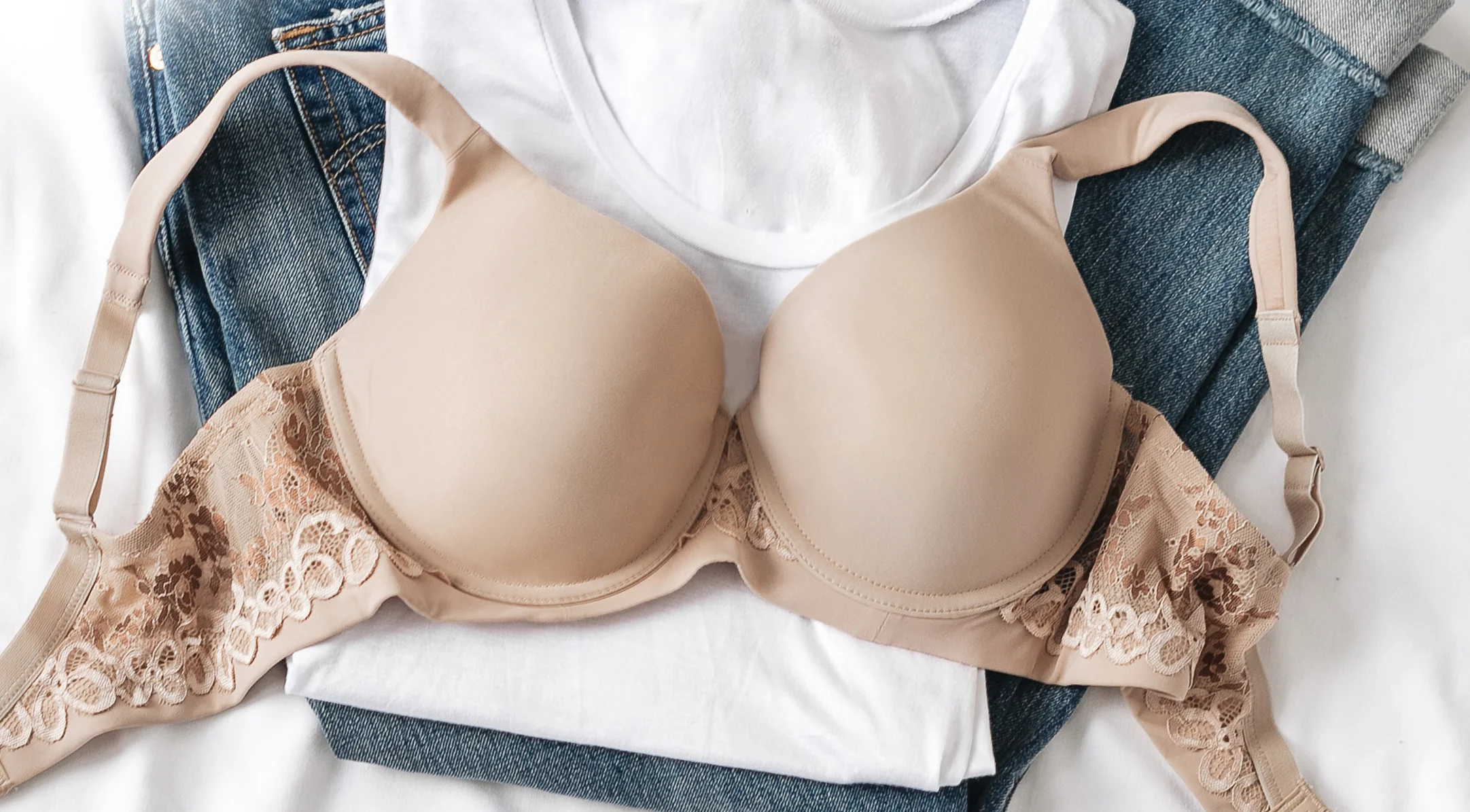
Once you know your measurements, it becomes easier to choose styles that suit your wardrobe and preferences. An everyday t shirt bra is a popular option because it offers smooth shaping under fitted tops and delivers reliable support for daily wear. The right fit in this type of bra can improve not only comfort, but also the way your clothing looks and feels.
Understanding cup size calculations takes some of the mystery out of bra shopping. Instead of guessing, you can make more informed choices based on your own proportions and the specific support you need.
Common Bra Measuring Mistakes to Avoid
Even when women do measure themselves, a few common mistakes can still lead to the wrong size. One of the biggest is measuring while wearing a heavily padded bra or thick clothing. Extra bulk can throw off both your band and bust measurements, leading to an inaccurate fit. For the best results, measure while wearing a lightly lined bra or no bra at all.
Another common issue is measuring the band too loosely. Since the band provides most of a bra’s support, it should fit snugly around the ribcage. If it is too loose, the back may ride up and the straps may start doing more work than they should, which often leads to discomfort.
Many women also make the mistake of sticking with the same size for years. Weight fluctuations, hormonal changes, pregnancy, and natural body changes can all affect bra fit over time. Rechecking your measurements regularly can help ensure you are still wearing the size that fits you best.
It is also important not to focus only on the size printed on the label. Different styles fit differently. For example, a strapless bra often needs a firmer band and more structured support than an everyday bra, since it has to stay in place without straps. That means your ideal fit in one bra style may feel slightly different in another.
Finally, many people ignore visible fit issues such as cup spillage, wrinkling, or gaps. These signs often indicate that either the size or the bra style is not right for your shape. Paying attention to how a bra sits on your body is just as important as knowing your measurements.
When you understand the basics of cup size calculations and avoid common measuring mistakes, finding the right bra becomes much easier. A better fit can improve comfort, support, and confidence—making it well worth the effort to measure the right way.