Home Improvement Secrets Professional Contractors Use
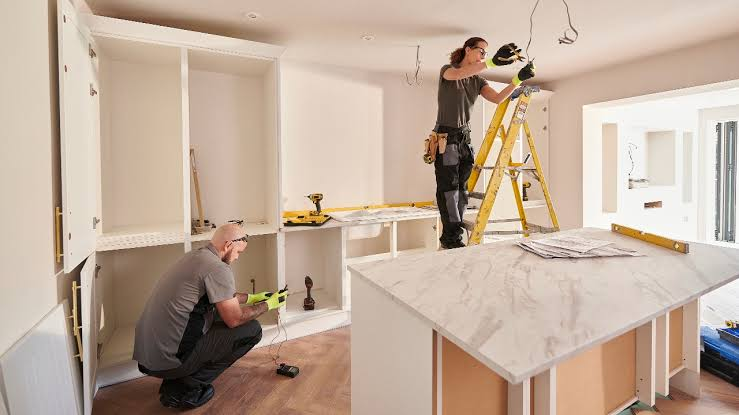
Home improvement projects can completely transform the way your house looks and feels, but not every renovation delivers professional-quality results. If you’ve ever admired a beautifully remodeled home and wondered how contractors achieve such polished finishes, the answer isn’t always expensive materials or specialized equipment. Much of their success comes from experience, careful planning, and a collection of practical techniques that many homeowners simply don’t know.
Professional contractors approach every project with a strategy. They understand how to avoid common mistakes, save time, reduce waste, and create long-lasting improvements. Whether you’re remodeling a kitchen, repainting walls, installing flooring, or updating your outdoor spaces, learning a few contractor secrets can dramatically improve your results.Here are some of the most valuable home improvement secrets that professionals rely on every day.
Start Every Project with Detailed Planning
One of the biggest differences between professionals and DIY homeowners is preparation. Contractors rarely begin a project without a clear plan.
Before buying materials or picking up tools, they carefully measure every space, create a realistic budget, and list every step required to complete the work. This minimizes unexpected expenses and prevents unnecessary delays.
When planning your own project, consider:
- Accurate room measurements
- Material quantities
- Labor requirements
- Timeline
- Budget cushion for unexpected costs
Taking time to plan often saves both money and frustration later.
Invest in Quality Tools
Professional contractors know that good tools produce better results.
While it’s tempting to purchase the cheapest options, quality tools last longer, work more accurately, and make projects significantly easier.
Some worthwhile investments include:
- Cordless drill
- Laser level
- Stud finder
- Circular saw
- High-quality paint brushes
- Durable measuring tape
- Orbital sander
Even if you only complete occasional DIY projects, these tools can make a noticeable difference.
Never Skip Surface Preparation
One of the most overlooked contractor secrets is that preparation matters more than the actual finishing work.
For example, before painting walls, professionals:
- Fill holes and cracks
- Sand rough surfaces
- Clean away dust
- Apply primer when needed
- Protect trim and flooring
Likewise, before installing flooring, they ensure the subfloor is level, dry, and clean.
Proper preparation creates smoother finishes and helps materials last much longer.
Buy More Material Than You Think You’ll Need
Experienced contractors always order extra materials.
This accounts for:
- Cutting mistakes
- Damaged pieces
- Future repairs
- Color matching
Running out of flooring, tile, or paint midway through a project can create major problems, especially if manufacturers discontinue certain styles or dye lots.
Buying about 10% extra material is a common professional practice.
Measure Twice, Cut Once
This classic saying exists for a reason.
Professionals rarely rush measurements because one incorrect cut can ruin expensive materials.
Before making any cut:
- Double-check measurements.
- Confirm the angle.
- Mark clearly.
- Verify orientation.
A few extra seconds can save hours of rework.
Use the Right Fasteners
Many homeowners use whatever screws or nails happen to be nearby.
Professional contractors select fasteners specifically designed for each application.
Examples include:
- Exterior screws for outdoor projects
- Galvanized nails for moisture-prone areas
- Concrete anchors for masonry
- Deck screws for pressure-treated lumber
Using proper fasteners prevents structural problems and increases durability.
Lighting Changes Everything
Contractors understand that lighting dramatically affects how a room appears.
Before finishing a renovation, they often evaluate lighting placement to enhance the space.
Consider improvements like:
- Recessed ceiling lights
- Under-cabinet kitchen lighting
- Dimmer switches
- Pendant lights
- LED accent lighting
Even inexpensive lighting upgrades can make an older home feel modern and inviting.
Paint Like a Professional
Painting seems simple, but professionals follow several techniques that produce flawless results.
Their secrets include:
- Using high-quality brushes and rollers
- Applying thin, even coats
- Keeping a wet edge while painting
- Using painter’s tape carefully
- Priming patched surfaces
- Sanding between coats when necessary
They also avoid painting in extremely humid or cold conditions since weather affects drying.
Focus on High-Impact Areas
Professional remodelers know which upgrades provide the biggest visual improvements.
Instead of renovating an entire home at once, they often recommend focusing on:
- Kitchen cabinets
- Bathroom vanities
- Entryways
- Flooring
- Interior paint
- Light fixtures
These updates often create the greatest return on investment while improving daily living.
Keep Materials Organized
Walk onto any professional job site and you’ll notice organization.
Materials are sorted, labeled, and stored properly.
Keeping your workspace organized helps:
- Prevent damage
- Reduce wasted time
- Improve safety
- Speed up installation
- Minimize mistakes
Simple storage bins and labeled containers make a huge difference.
Don’t Ignore Moisture Problems
Experienced contractors know that moisture is one of a home’s biggest enemies.
Before installing flooring, drywall, or insulation, they check for:
- Roof leaks
- Plumbing leaks
- Foundation moisture
- Poor drainage
- Condensation issues
Ignoring water problems can lead to mold, rot, and expensive repairs later.
Always fix moisture issues before cosmetic improvements.
Use Caulk for a Finished Look
One small detail separates amateur work from professional craftsmanship.
Contractors use paintable caulk to seal gaps around:
- Baseboards
- Window trim
- Door frames
- Crown molding
- Cabinets
This creates clean lines and gives every room a polished appearance.
It’s an inexpensive step that delivers impressive results.
Sand More Than You Think
Whether working with wood, drywall, or painted surfaces, professionals spend more time sanding than most homeowners expect.
Smooth surfaces help:
- Paint adhere better
- Stain absorb evenly
- Wood feel finished
- Repairs disappear
Patience during sanding almost always improves the final outcome.
Protect Floors and Furniture
Contractors spend significant time protecting existing surfaces before beginning work.
They use:
- Drop cloths
- Plastic sheeting
- Painter’s tape
- Floor runners
- Corner protectors
Repairing accidental damage often costs far more than preventing it.
Don’t Choose Materials Based Only on Price
Professionals consider long-term value instead of the lowest upfront cost.
Higher-quality materials often:
- Last longer
- Require less maintenance
- Improve appearance
- Increase home value
- Perform better under daily use
Sometimes spending slightly more today prevents costly replacements in the future.
Work from the Top Down
During renovations, contractors usually begin at the ceiling and work downward.
For example:
- Ceiling repairs
- Painting
- Wall work
- Trim installation
- Flooring
- Final touch-ups
This approach prevents finished surfaces from being damaged during later stages.
Keep Airflow Moving
Ventilation is another professional secret.
Fresh airflow helps:
- Paint dry evenly
- Adhesives cure properly
- Dust escape
- Odors disappear
Opening windows or using portable fans can significantly improve working conditions.
Always Have a Contingency Budget
Even experienced contractors encounter surprises.
Behind walls they may discover:
- Old wiring
- Plumbing leaks
- Structural damage
- Mold
- Insect damage
That’s why professionals typically recommend setting aside an additional 10–20% of the renovation budget for unexpected issues.
Focus on Energy Efficiency
Contractors increasingly recommend upgrades that reduce monthly utility costs.
Examples include:
- LED lighting
- Better insulation
- Energy-efficient windows
- Weather stripping
- Smart thermostats
- Ceiling fans
These improvements often pay for themselves through lower energy bills.
Know When to Hire a Professional
Perhaps the biggest contractor secret is understanding personal limitations.
Some projects require specialized knowledge and permits.
Consider hiring professionals for:
- Electrical rewiring
- Major plumbing work
- Roof replacement
- Foundation repairs
- Structural modifications
- HVAC installation
Attempting these projects without proper experience can create safety hazards and lead to expensive repairs.
Clean as You Go
Professional job sites stay surprisingly clean because contractors tidy up throughout the day instead of waiting until the end.
Cleaning as you work helps:
- Reduce accidents
- Keep tools organized
- Find materials quickly
- Maintain motivation
- Speed up final cleanup
Even spending ten minutes cleaning every hour makes large projects far more manageable.
Think About Maintenance Before Installing Anything
Experienced contractors don’t just think about how something looks today—they also consider how easy it will be to maintain years from now.
Choose finishes that are durable, easy to clean, and resistant to wear. For example, washable paint in high-traffic areas, quartz countertops instead of porous natural stone if you prefer low maintenance, and composite decking instead of untreated wood can save countless hours of upkeep over the life of your home.
Making maintenance part of your decision process helps ensure your improvements continue looking great with minimal effort.
Final Thoughts
Professional contractors don’t rely on magic tricks or expensive equipment to create beautiful homes. Their success comes from careful planning, attention to detail, quality workmanship, and years of experience following proven practices. By adopting even a handful of these contractor secrets, homeowners can complete projects more efficiently, avoid costly mistakes, and achieve results that look polished and last for years.
Whether you’re refreshing a single room or tackling a major renovation, remember that the best home improvements begin long before the first nail is driven or the first coat of paint is applied. Patience, preparation, and a commitment to doing the job right are the true secrets behind professional-quality home improvement.