How to Choose the Right Closet Rod for Heavy Clothes
A closet rod may seem like a simple piece of hardware, but it carries the weight of everything from winter coats and business suits to heavy sweaters and jackets. Choosing the wrong rod can lead to sagging, bending, or even a complete collapse, damaging your clothes and your closet.
If your wardrobe includes bulky garments or you’re planning a custom closet, selecting the right closet rod is essential. The best option depends on several factors, including the material, diameter, mounting method, rod length, and the total weight it will support.
This guide explains everything you need to know to choose a closet rod that can safely hold heavy clothes while lasting for years.
Why Closet Rod Strength Matters
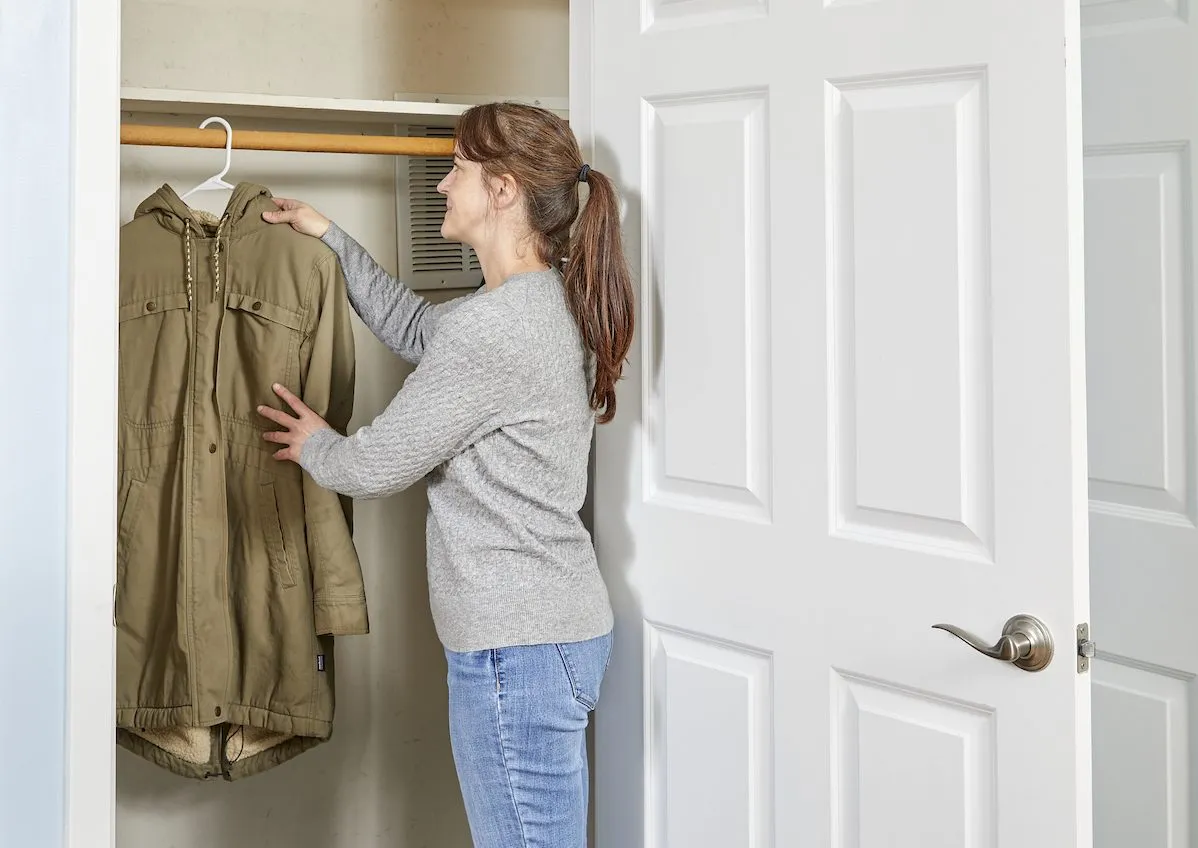
Many standard closet rods are designed for everyday clothing such as shirts, blouses, and lightweight pants. However, heavy garments place much more stress on the rod and its mounting brackets.
Examples of heavy clothing include:
- Winter coats
- Leather jackets
- Denim jackets
- Thick hoodies
- Heavy sweaters
- Work uniforms
- Ski gear
- Formal suits stored in garment bags
When too much weight is placed on a weak rod, it may begin to sag in the center or pull away from the wall.
Choosing a stronger rod from the start helps prevent these problems.
How Much Weight Does a Closet Rod Hold?
The weight capacity depends on several factors, including:
- Rod material
- Rod diameter
- Rod length
- Number of support brackets
- Installation quality
- Wall anchors or studs
A properly installed heavy-duty closet rod can often support 100 to 200 pounds or more, while lighter rods may begin to bend under significantly less weight.
Always check the manufacturer’s weight rating before purchasing.
Best Materials for Heavy-Duty Closet Rods
The material plays a major role in strength and durability.
Steel Closet Rods
Steel is one of the strongest options available.
Advantages include:
- Excellent weight capacity
- Resistant to bending
- Long lifespan
- Suitable for large wardrobes
Steel rods are ideal for closets filled with coats, jackets, or other heavy garments.
Stainless Steel Closet Rods
Stainless steel offers the same strength as regular steel with added resistance to rust and corrosion.
Benefits include:
- Modern appearance
- Moisture resistance
- High durability
- Minimal maintenance
These rods work especially well in laundry rooms or humid environments.
Aluminum Closet Rods
Aluminum rods are lightweight and rust-resistant.
Although stronger than many plastic options, they generally support less weight than steel.
They are best suited for medium-weight clothing rather than extremely heavy wardrobes.
Wooden Closet Rods
Wooden rods offer a classic appearance and can support a surprising amount of weight if made from hardwood.
Popular wood choices include:
- Oak
- Maple
- Birch
However, softer woods may bend over time if overloaded.
Choose the Right Rod Diameter
The thickness of the rod is just as important as the material.
Common sizes include:
- 1 inch
- 1¼ inch
- 1½ inch
Larger diameters generally resist bending better.
For closets holding heavy clothing, a 1¼-inch or larger rod is often the better choice.
Don’t Ignore Rod Length
Long closet rods naturally experience more stress.
The farther the distance between supports, the greater the chance of sagging.
For rods longer than about 48 inches, installing an additional center support bracket is usually recommended.
This simple addition can dramatically increase the rod’s weight capacity.
Importance of Support Brackets
Even the strongest rod can fail if it isn’t properly supported.
Heavy-duty brackets help distribute the load evenly across the wall.
For best results:
- Install brackets into wall studs whenever possible.
- Use heavy-duty wall anchors if studs aren’t available.
- Add center supports on longer rods.
Strong brackets are just as important as the rod itself.
Fixed vs Adjustable Closet Rods
You’ll often choose between fixed-length and adjustable rods.
Fixed Closet Rods
These rods are manufactured in one solid piece.
Advantages include:
- Greater strength
- Better appearance
- Fewer weak points
- Higher weight capacity
Fixed rods are usually the best option for heavy clothes.
Adjustable Closet Rods
Adjustable rods can expand to fit different closet widths.
Benefits include:
- Flexible sizing
- Easier installation
- Convenient for replacements
However, the adjustable joint may reduce overall strength compared to a solid rod.
Round vs Oval Closet Rods
Both shapes have their advantages.
Round Rods
Round rods are the traditional choice.
They are:
- Easy to install
- Widely available
- Compatible with most hangers
Oval Rods
Oval rods often provide greater resistance to bending.
Many custom closet systems use oval rods because they combine strength with a sleek appearance.
For heavy wardrobes, oval steel rods are an excellent option.
Closet Rod Finish
The finish affects both appearance and durability.
Popular finishes include:
- Chrome
- Brushed nickel
- Matte black
- White
- Bronze
- Wood stain
Choose a finish that complements your closet hardware while resisting scratches and corrosion.
Measure Before Buying
Accurate measurements help ensure a proper fit.
Measure:
- Closet width
- Mounting height
- Sidewall depth
- Existing bracket locations
If replacing an old rod, verify whether your current brackets can support the new rod.
How High Should a Closet Rod Be?
The ideal height depends on the clothing you plan to hang.
Typical recommendations include:
Single Rod Closet
Approximately 66 to 72 inches from the floor.
Suitable for:
- Dresses
- Long coats
- Jackets
- Shirts
Double Rod Closet
Upper rod:
- Around 80 inches
Lower rod:
- Around 40 inches
Double rods maximize storage for shirts, blouses, and folded clothing.
Installation Tips
Proper installation is essential for long-term performance.
Follow these best practices:
- Locate wall studs whenever possible.
- Use heavy-duty screws.
- Avoid low-quality plastic anchors for heavy loads.
- Install center supports on long spans.
- Check that brackets are level before mounting.
A well-installed rod often lasts much longer than one attached with weak hardware.
Signs Your Closet Rod Is Too Weak
Your current rod may need upgrading if you notice:
- Visible sagging
- Cracking sounds
- Loose brackets
- Bending in the center
- Difficulty opening closet doors due to rod movement
- Wall anchors pulling loose
Replacing the rod before failure prevents damage to clothing and closet walls.
Benefits of a Heavy-Duty Closet Rod
Choosing a stronger rod provides several advantages.
Better Weight Support
Heavy garments remain securely stored without bending the rod.
Longer Lifespan
Quality materials resist wear for many years.
Improved Safety
A properly installed rod is less likely to collapse unexpectedly.
Better Closet Organization
Strong rods allow you to maximize hanging space without worrying about overload.
Common Buying Mistakes
Avoid these common errors:
- Choosing the cheapest rod available
- Ignoring weight ratings
- Skipping center support brackets
- Buying a rod that’s too thin
- Using weak wall anchors
- Failing to measure correctly
Spending a little more on quality hardware often prevents costly repairs later.
How to Maintain a Closet Rod
Closet rods require very little maintenance.
To extend their lifespan:
- Wipe away dust occasionally.
- Tighten loose brackets.
- Inspect screws annually.
- Avoid exceeding weight limits.
- Distribute heavy clothing evenly across the rod.
Simple maintenance helps prevent premature wear.
Frequently Asked Questions
What is the strongest material for a closet rod?
Steel is generally considered the strongest material for supporting heavy clothing. Stainless steel offers similar strength with additional resistance to rust.
Can wooden closet rods hold heavy clothes?
Yes, hardwood rods such as oak or maple can support heavy garments when properly installed with adequate brackets.
How do I stop a closet rod from sagging?
Installing a center support bracket is one of the most effective ways to prevent sagging, especially on rods longer than four feet.
Are adjustable closet rods strong enough?
Some heavy-duty adjustable rods perform well, but fixed one-piece rods are typically stronger because they have no expansion joint.
Should I install the rod into drywall?
Whenever possible, mount brackets directly into wall studs. If that’s not possible, use high-quality heavy-duty anchors designed for the expected load.
Final Thoughts
Choosing the right closet rod for heavy clothes is about more than matching your closet’s style—it’s about ensuring strength, stability, and long-term reliability. A rod that is too thin, poorly supported, or made from weak materials can bend or fail under the weight of bulky garments, leading to unnecessary repairs and damaged clothing.
For most homeowners, a steel or stainless steel closet rod with a diameter of at least 1¼ inches, combined with sturdy brackets and a center support for longer spans, offers the best balance of durability and performance. While hardwood rods can also be a dependable option, they should be properly supported and made from strong wood species.
Before making a purchase, measure your closet carefully, consider the total weight of your wardrobe, and invest in quality mounting hardware. A well-chosen closet rod may be a small upgrade, but it can make a big difference in keeping your closet organized, secure, and ready to handle even the heaviest clothing for years to come.