Built-In Storage vs Freestanding Furniture: Which Is Better?
Storage is one of the biggest challenges in any home. Whether you live in a compact apartment or a spacious house, keeping your belongings organized while maintaining an attractive interior can be difficult. That’s why choosing the right storage solution is an important part of any home improvement or interior design project.
Two of the most popular options are built-in storage and freestanding furniture. Built-in storage is designed to fit permanently into your home’s layout, while freestanding furniture can be moved, replaced, or rearranged whenever you like.
Both options offer unique advantages and potential drawbacks. The right choice depends on your budget, available space, lifestyle, and long-term plans for your home.
In this guide, we’ll compare built-in storage and freestanding furniture to help you decide which option is better for your needs.
What Is Built-In Storage?
Built-in storage refers to cabinets, shelves, wardrobes, benches, or other storage units that are permanently installed as part of your home’s structure.
Common examples include:
- Built-in wardrobes
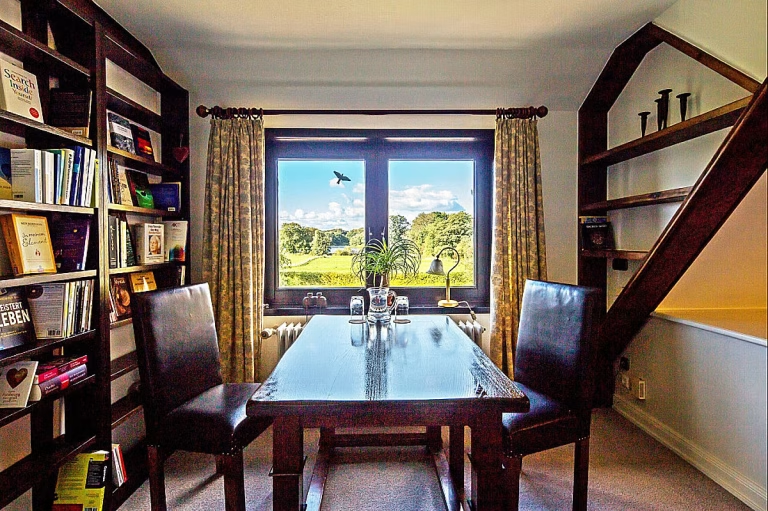
- Wall-mounted bookshelves
- Custom entertainment centers
- Window seats with storage
- Pantry cabinets
- Closet organizers
- Laundry room cabinetry
Because they’re custom-fitted, built-in units are designed to maximize every inch of available space.
What Is Freestanding Furniture?
Freestanding furniture includes storage pieces that are not permanently attached to the building.
Examples include:
- Bookshelves
- Dressers
- Wardrobes
- Sideboards
- Storage cabinets
- TV stands
- Console tables
- Filing cabinets
These pieces can be moved, replaced, or rearranged whenever your needs change.
Appearance and Design
One of the biggest differences between the two options is how they affect your home’s overall appearance.
Built-In Storage
Built-in storage creates a clean, seamless look because it’s designed specifically for your space.
Advantages include:
- Custom appearance
- Minimal gaps
- Consistent design
- Integrated style
- Luxurious finish
Built-ins often make rooms appear more organized and professionally designed.
Freestanding Furniture
Freestanding furniture offers greater flexibility in design.
You can easily:
- Change furniture styles
- Replace individual pieces
- Mix different materials
- Rearrange rooms
- Update your décor over time
This flexibility appeals to homeowners who enjoy refreshing their interiors regularly.
Space Efficiency
Built-In Storage
When it comes to maximizing available space, built-in storage usually has the advantage.
Custom units can fit:
- Under stairs
- Around windows
- Floor to ceiling
- Wall to wall
- Awkward corners
Every inch is carefully planned to provide the maximum amount of storage.
This makes built-ins especially useful for:
- Small homes
- Apartments
- Compact bedrooms
- Narrow hallways
Freestanding Furniture
Freestanding furniture generally requires extra clearance around the unit.
Gaps between furniture and walls can reduce storage efficiency.
However, modular furniture designs have improved significantly and can still provide excellent organization.
Installation
Built-In Storage
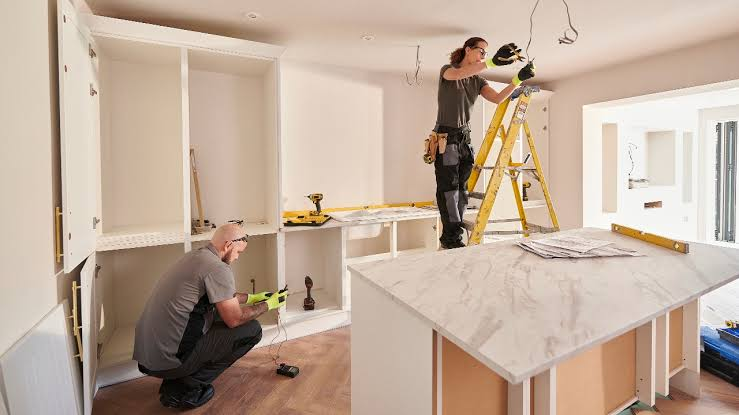
Built-ins usually require:
- Professional design
- Measuring
- Construction
- Installation
- Permanent attachment
Installation may take several days depending on the complexity of the project.
Freestanding Furniture
Freestanding furniture is much easier to install.
Many pieces simply require:
- Basic assembly
- Placement
- Minor adjustments
Some arrive fully assembled and can be used immediately.
Cost Comparison
Budget often plays a major role when choosing storage solutions.
Built-In Storage
Because built-ins are custom-made, they generally cost more.
The total price depends on:
- Materials
- Labor
- Design complexity
- Hardware
- Finishes
Although the initial investment is higher, custom storage often adds long-term value to your home.
Freestanding Furniture
Freestanding furniture is available across a wide range of price points.
Benefits include:
- Lower upfront cost
- Greater selection
- Easier replacement
- Flexible budgeting
You can gradually add new pieces as your budget allows.
Storage Capacity
Built-In Storage
Built-in units are designed to maximize storage.
They often include:
- Adjustable shelves
- Hidden compartments
- Custom drawers
- Vertical storage
- Specialized organizers
This level of customization helps reduce clutter.
Freestanding Furniture
Storage capacity depends on the furniture you purchase.
Many modern storage cabinets include:
- Drawers
- Adjustable shelving
- Doors
- Open display areas
Although versatile, they may not fully utilize every available inch of space.
Flexibility
Built-In Storage
One limitation of built-in storage is its permanence.
Once installed:
- It cannot easily be moved.
- Layout changes become difficult.
- Future remodeling may require demolition.
This makes built-ins best suited for homeowners planning to stay in the property for many years.
Freestanding Furniture
Flexibility is one of the biggest strengths of freestanding furniture.
You can:
- Rearrange rooms
- Move to a new home
- Replace individual pieces
- Update your décor
- Adapt to changing needs
This is especially useful for renters and growing families.
Home Value
Well-designed built-in storage can increase a home’s appeal to buyers.
Features like custom closets, built-in bookshelves, and organized pantry systems are often viewed as premium upgrades.
Freestanding furniture generally does not increase property value because it is considered personal property and usually moves with the owner.
Cleaning and Maintenance
Built-In Storage
Advantages:
- Fewer dust-collecting gaps
- Integrated appearance
- Less movement
However, repairs may require professional assistance.
Freestanding Furniture
Advantages:
- Easy to clean behind
- Easier to repair or replace
- Individual pieces can be upgraded
Regular cleaning around furniture is usually necessary.
Best Choice for Small Homes
If maximizing every square foot is your priority, built-in storage often performs better.
Custom storage can transform:
- Small bedrooms
- Tiny apartments
- Hallways
- Under-stair areas
- Compact home offices
Its efficient design makes small spaces feel larger and more organized.
Best Choice for Large Homes
In larger homes, either option can work well.
Many homeowners combine both by using:
- Built-in entertainment centers
- Freestanding sofas
- Built-in closets
- Decorative cabinets
- Freestanding bookshelves
This approach offers the advantages of both solutions.
Can You Combine Both?
Absolutely.
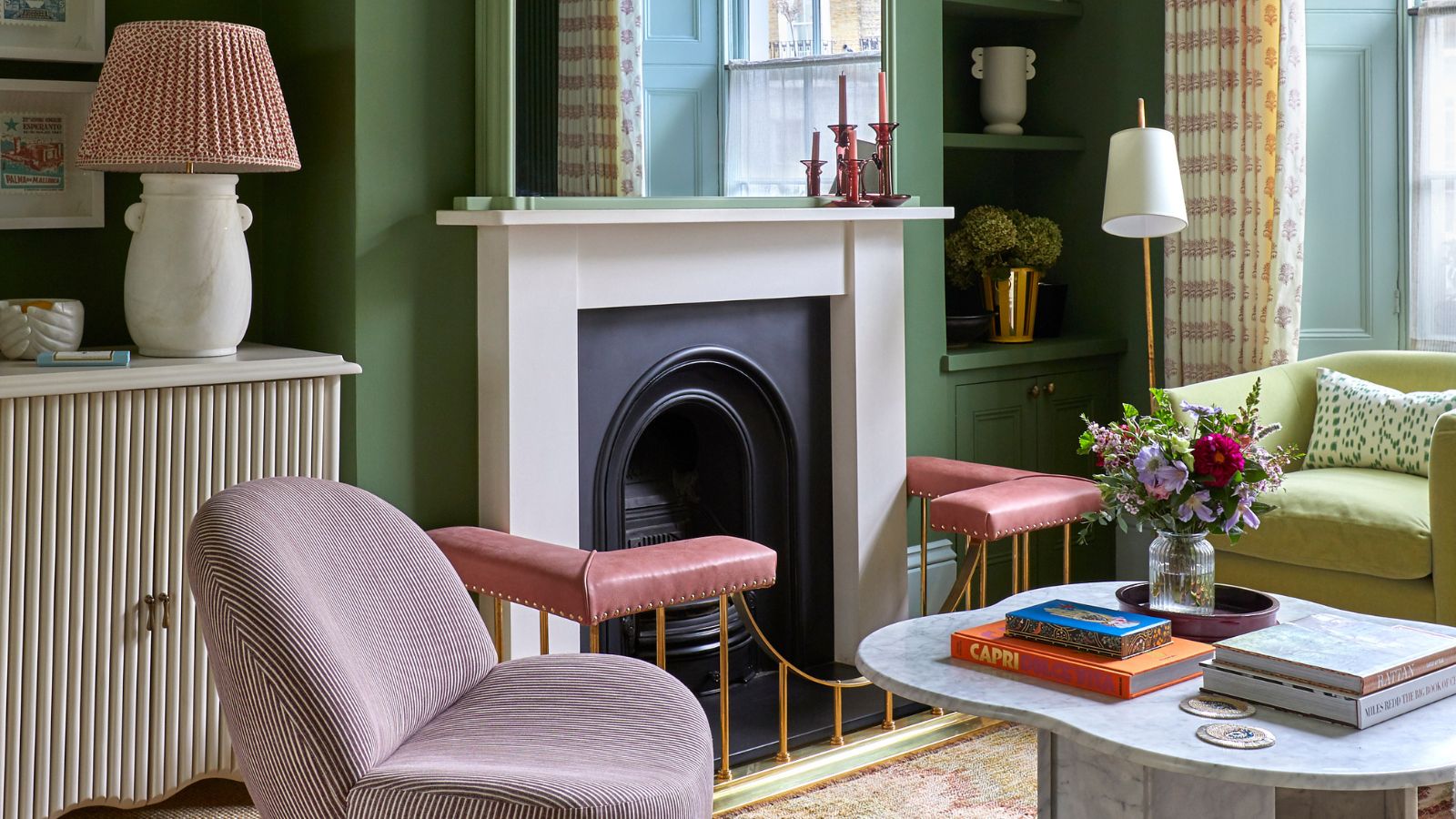
Many of today’s most attractive homes use a combination of built-in storage and freestanding furniture.
For example:
- Built-in bookshelves with a freestanding reading chair
- Custom pantry cabinets with a movable kitchen island
- Built-in wardrobes with a freestanding dresser
- Entertainment walls paired with movable coffee tables
Mixing both options creates flexibility while maximizing storage.
Common Buying Mistakes
Avoid these common mistakes when choosing storage furniture.
Focusing Only on Appearance
Choose storage that meets your daily needs, not just your design preferences.
Ignoring Future Needs
Think about how your storage requirements may change over time.
Choosing Low-Quality Materials
Quality construction provides better durability and long-term value.
Overlooking Room Measurements
Always measure carefully before purchasing or designing storage.
Forgetting Accessibility
Frequently used items should be easy to reach.
Which Option Is Better?
The answer depends on your priorities.
Choose built-in storage if you want:
- Maximum storage capacity
- A custom appearance
- Long-term investment
- Better use of small spaces
- Increased home value
Choose freestanding furniture if you prefer:
- Lower initial cost
- Flexibility
- Easy relocation
- Frequent room updates
- Simpler installation
Neither option is universally better—they simply serve different needs.
Frequently Asked Questions
Is built-in storage worth the investment?
Yes, especially if you plan to stay in your home for many years. Built-in storage maximizes space, creates a custom appearance, and can increase property value.
Is freestanding furniture better for renters?
Absolutely. Since it isn’t permanently attached, freestanding furniture can easily move with you when you relocate.
Which option provides more storage?
Built-in storage generally offers greater storage capacity because it’s custom-designed to fit your available space.
Can built-in storage be removed later?
Yes, but removal usually requires repairs to walls, flooring, or trim and may involve additional renovation costs.
Can I mix built-in and freestanding furniture?
Yes. Many homeowners combine both to create a functional and stylish living space that balances flexibility with efficient storage.
Final Thoughts
Choosing between built-in storage and freestanding furniture comes down to your lifestyle, available space, and long-term goals. Built-in storage offers a polished appearance, excellent organization, and maximum use of every inch, making it a smart investment for homeowners seeking a permanent solution. Freestanding furniture, on the other hand, provides flexibility, affordability, and the freedom to adapt your space as your needs change.
For many homes, the best solution isn’t choosing one over the other—it’s combining both. A mix of custom built-ins for everyday storage and movable furniture for flexibility creates a practical, stylish, and functional living environment.
Before making your decision, consider your budget, room size, future plans, and storage needs. With thoughtful planning, you can create a home that stays organized, comfortable, and visually appealing for years to come.