Wireless Home Automation Systems That Improve Convenience and Control Everyday Household Devices
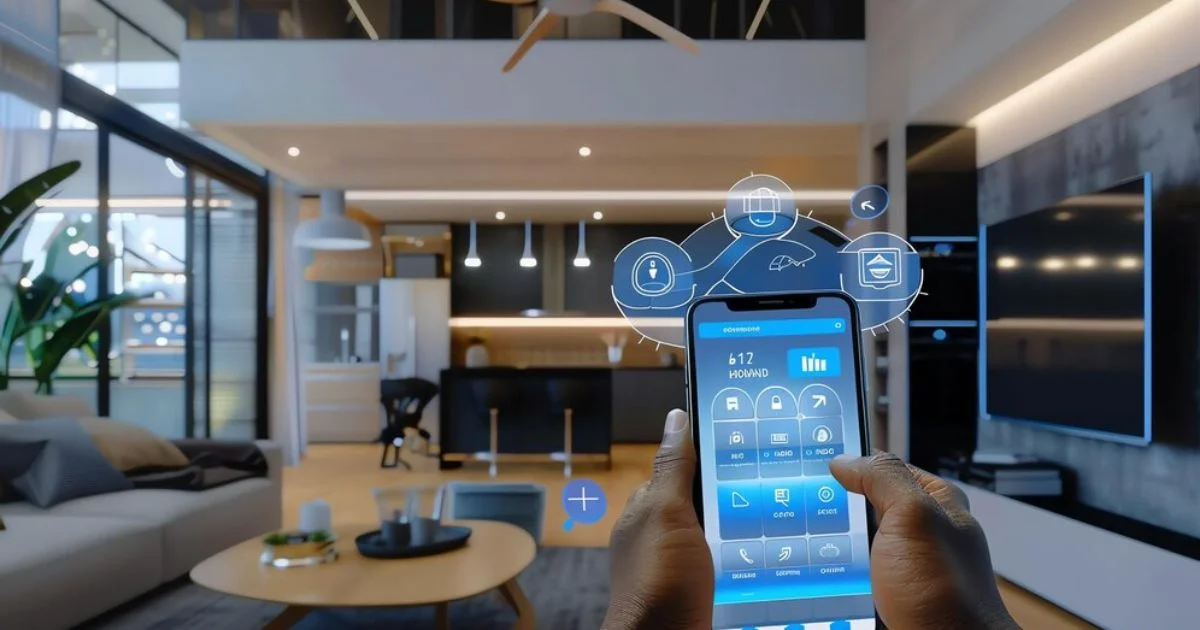
Modern homeowners are increasingly looking for ways to make their homes more comfortable, efficient, and easier to manage. Traditional household systems often require manual operation, which can become inconvenient as daily routines become more complex. Wireless home automation systems provide a practical solution by connecting everyday devices and allowing homeowners to control them through smartphones, voice commands, and automated schedules.
Unlike older smart home solutions that required complicated wiring and major construction work, modern wireless automation systems are easier to install and expand. They allow homeowners to upgrade different areas of their property gradually without significant disruption.
From smart lighting and climate control to security systems and connected appliances, wireless home automation creates a more responsive living environment. These improvements help homeowners save time, improve energy efficiency, and enjoy greater control over their homes.
How Wireless Home Automation Works
Wireless home automation uses communication technologies such as Wi-Fi, Bluetooth, Zigbee, and other smart home protocols to connect devices without extensive wiring. These connected devices communicate with a central hub, mobile application, or voice assistant platform.
The main advantage of wireless systems is flexibility. Homeowners can add new smart devices over time without redesigning electrical systems or making major structural changes.
A wireless automation setup may include:
- Smart lighting controls
- Smart thermostats
- Security cameras
- Smart locks
- Automated curtains
- Connected appliances
When these devices work together, they create a more convenient and efficient home environment that responds to homeowner preferences.
Improve Daily Convenience With Smart Lighting Automation
Lighting automation is one of the most popular starting points for homeowners entering smart home technology. Wireless smart lighting allows users to control brightness, schedules, and lighting scenes from mobile devices or voice commands.
Instead of manually turning lights on and off throughout the day, homeowners can create automated routines based on their lifestyle.
For example, lights can:
- Turn on automatically at specific times
- Adjust brightness during evening hours
- Switch off when rooms are unused
- Activate when motion is detected
Smart lighting improves convenience while also reducing unnecessary electricity usage.
Create Better Energy Management With Smart Thermostats
Heating and cooling systems represent a major portion of household energy consumption. Wireless smart thermostats help homeowners manage indoor temperatures more efficiently by providing greater control and automation.
These devices can learn household patterns, adjust temperatures automatically, and allow remote control through smartphones.
Energy-saving benefits include:
- Reduced unnecessary heating and cooling
- Improved temperature consistency
- Better HVAC scheduling
- Remote adjustments when away from home
By optimizing temperature control, smart thermostats can improve comfort while helping reduce energy expenses.
Improve Home Security Through Wireless Automation
Security is one of the most valuable benefits of wireless home automation. Modern security devices allow homeowners to monitor and control their properties from almost anywhere.
Wireless cameras, smart doorbells, motion sensors, and smart locks provide additional visibility and control compared to traditional security systems.
A connected security system can help homeowners:
- Monitor entrances remotely
- Receive movement alerts
- Control door access
- Review security recordings
Wireless installation also makes it easier to add security features without extensive electrical work.
Install Smart Door Locks for Convenient Access Control
Traditional keys can create inconvenience because they can be lost, copied, or forgotten. Wireless smart locks provide a modern alternative by allowing homeowners to manage access digitally.
Smart locks can offer features such as:
- Smartphone unlocking
- Temporary access codes
- Remote locking and unlocking
- Activity monitoring
These features are especially useful for families, rental properties, and homeowners who frequently provide access to guests or service workers.
Smart locks improve security while making everyday entry easier.
Connect Household Appliances for Better Control
Wireless home automation is expanding beyond lighting and security into everyday appliances. Smart appliances allow homeowners to monitor performance, receive notifications, and manage settings remotely.
Connected appliances may include:
- Refrigerators
- Washing machines
- Ovens
- Dishwashers
- Coffee makers
These systems can improve household organization by providing reminders, energy information, and automated operation options.
As smart appliance technology continues to develop, more household activities can become easier to manage.
Use Automated Window Coverings for Comfort and Efficiency
Smart blinds and automated curtains are becoming popular additions to modern homes because they combine convenience with energy management.
Wireless window automation allows homeowners to control natural light, privacy, and indoor temperatures.
Automated window systems can help:
- Reduce heat gain during hot weather
- Improve privacy
- Protect furniture from sunlight
- Create scheduled opening and closing routines
These improvements contribute to both comfort and energy efficiency.
Create Personalized Smart Home Routines
One of the biggest advantages of wireless automation is the ability to create customized routines based on personal habits.
Instead of controlling each device separately, homeowners can create scenes that activate multiple actions together.
Examples include:
A morning routine that opens curtains, adjusts temperature, and turns on selected lights.
A leaving-home routine that switches off unnecessary devices, locks doors, and activates security systems.
An evening routine that adjusts lighting and creates a comfortable atmosphere for relaxation.
These automated routines reduce daily effort and make the home feel more intelligent.
Improve Entertainment Experiences With Smart Technology
Wireless automation can also enhance home entertainment systems. Connected devices allow homeowners to control music, televisions, and other entertainment features more easily.
Smart entertainment improvements may include:
- Wireless speakers
- Voice-controlled media systems
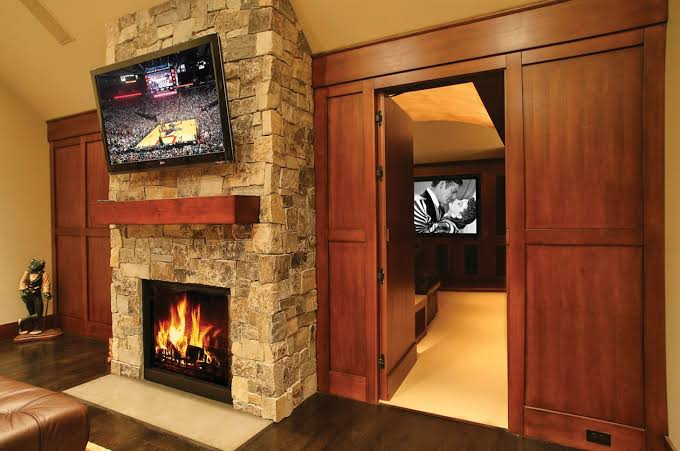
- Automated home theater setups
- Multi-room audio control
These features create a more enjoyable experience while reducing the complexity of managing multiple devices.
Increase Home Efficiency With Smart Energy Monitoring
Understanding energy usage is an important part of creating an efficient home. Wireless energy monitoring systems provide information about how electricity is being consumed.
These systems help homeowners identify areas where energy may be wasted and make better decisions.
Energy monitoring can support:
- Appliance usage tracking
- Electricity consumption analysis
- Smart scheduling
- Cost reduction strategies
By understanding energy patterns, homeowners can improve efficiency without sacrificing comfort.
Choose Compatible Wireless Home Automation Devices
When building a smart home system, compatibility is an important consideration. Not all devices communicate with each other in the same way, so homeowners should select products that work within the same ecosystem.
Before purchasing devices, homeowners should consider:
- Compatibility with existing systems
- Future expansion options
- Security features
- Ease of use
A well-planned automation system prevents problems and allows homeowners to add new features over time.
Protect Wireless Systems With Proper Security Practices
Because smart home devices connect to the internet, cybersecurity should be an important part of the installation process.
Homeowners can improve system security by:
- Using strong passwords
- Updating device software
- Securing home networks
- Choosing trusted smart devices
Proper security practices help protect personal information and ensure reliable operation.
Consider Professional Support for Advanced Automation
Many wireless devices are designed for simple installation, but larger automation projects may benefit from professional guidance.
Experts can help design systems that work together effectively and provide better long-term performance.
Professional assistance can be valuable for:
- Whole house automation
- Advanced security systems
- Integrated entertainment setups
- Complex device connections
A properly designed system provides better reliability and user experience.
Final Thoughts
Wireless home automation systems provide homeowners with a convenient way to improve comfort, security, and energy efficiency without requiring major structural changes. By connecting everyday devices and creating automated routines, these systems help homes become easier to manage and more responsive to modern lifestyles.
The greatest advantage of wireless automation is flexibility. Homeowners can begin with simple improvements such as smart lighting or thermostats and gradually expand their systems as their needs change.
Frequently Asked Questions (FAQs)
What are the most useful wireless home automation devices?
Smart lighting, smart thermostats, security cameras, smart locks, and automated window systems are among the most popular and practical wireless home automation upgrades.
Do wireless smart home systems require professional installation?
Many individual devices are designed for DIY installation, but larger systems involving multiple connected devices may benefit from professional setup.
Can wireless home automation reduce energy costs?
Yes, automation systems can reduce energy waste by controlling lighting, heating, cooling, and appliance usage more efficiently.
Are wireless smart home devices secure?
Wireless devices can be secure when properly configured. Using strong passwords, updating software, and protecting the home network improves security.
Can I expand my wireless automation system later?
Yes, one of the main benefits of wireless automation is that homeowners can add new devices gradually as their needs and budget allow.