How to Choose Interior Doors That Improve Both Privacy and Energy Efficiency
Interior doors are often chosen based on style and color, but they play a much bigger role in your home’s comfort than many people realize. The right interior door can reduce noise between rooms, help maintain consistent indoor temperatures, and even lower heating and cooling costs over time.
Whether you’re building a new home, remodeling, or simply replacing old doors, choosing the right interior doors requires more than matching your décor. Materials, construction, insulation, and installation quality all affect how well a door performs.
This guide explains how to choose interior doors that improve both privacy and energy efficiency without sacrificing appearance.
Why Interior Doors Matter More Than You Think
Most homeowners focus on exterior doors when thinking about insulation, but interior doors also contribute to overall comfort.
They help:
- Reduce sound between rooms
- Separate heated and cooled spaces
- Improve privacy
- Prevent drafts in certain areas
- Increase the efficiency of HVAC systems
A poorly fitted interior door allows sound and air to move freely throughout the home, making rooms less comfortable.
Start by Identifying Your Priorities
Every room serves a different purpose, so not every interior door needs the same features.
Ask yourself:
- Is privacy the main concern?
- Is noise reduction important?
- Does the room need better temperature control?
- Is moisture resistance necessary?
- Will the door receive heavy daily use?
For example, a bedroom door requires much more sound control than a pantry door.
Choose Solid Core Instead of Hollow Core
One of the biggest decisions you’ll make is selecting between hollow-core and solid-core doors.
Hollow-Core Doors
Hollow-core doors are lightweight and affordable. They usually contain a cardboard honeycomb interior covered by thin wood or fiberboard.
Advantages include:
- Lower cost
- Easier installation
- Lightweight operation
However, they provide minimal sound insulation and limited durability.
Solid-Core Doors
Solid-core doors have a dense interior made from engineered wood or composite materials.
Benefits include:
- Better noise reduction
- Improved privacy
- Greater durability
- Better insulation
- Higher-quality feel
Although they cost more, solid-core doors are often worth the investment for bedrooms, offices, and bathrooms.
Consider Door Materials Carefully
The material affects appearance, durability, and insulation.
Common options include:
Solid Wood
Solid wood doors offer excellent durability and natural beauty.
Pros:
- Attractive appearance
- Strong construction
- Good sound insulation
Cons:
- Higher cost
- Can expand or contract with humidity
- Heavier than other options
MDF (Medium-Density Fiberboard)
MDF doors have become popular because they provide a smooth painted finish.
Advantages include:
- Affordable
- Stable in changing temperatures
- Good sound control when solid-core
- Easy to paint
Engineered Wood
Engineered wood combines wood fibers with modern manufacturing techniques.
It offers:
- Improved stability
- Good insulation
- Less warping than solid wood
- Wide variety of finishes
Look for Good Sound Insulation
Privacy isn’t just about locking a door.
Noise transmission can significantly affect comfort, especially in:
- Bedrooms
- Home offices
- Nurseries
- Media rooms
Solid-core doors naturally block more sound than hollow-core doors.
Adding weatherstripping around the frame can further reduce sound leakage.
Pay Attention to Door Thickness
Thicker doors generally provide:
- Better soundproofing
- Improved insulation
- Greater durability
Standard interior doors are often about 1⅜ inches thick, while premium options may be thicker for improved performance.
Check the Door Frame
Even the best door won’t perform well if the frame is poorly installed.
A quality frame should:
- Fit tightly
- Remain square
- Prevent gaps
- Support smooth operation
Poor alignment leaves spaces where air and sound can pass through.
Seal Gaps Around the Door
Small gaps may seem insignificant, but they reduce both privacy and energy efficiency.
Consider installing:
- Weatherstripping
- Door sweeps where appropriate
- Adjustable thresholds for special rooms
These additions help prevent unwanted airflow and reduce noise.
Glass Doors Require Extra Consideration
Glass interior doors brighten spaces and create an open feeling.
However, they usually provide:
- Less privacy
- Lower sound insulation
If you prefer glass, consider:
- Frosted glass
- Textured glass
- Double-pane glass designs
- Partial glass panels instead of full glass
These options balance natural light with improved privacy.
Think About HVAC Efficiency
Interior doors influence how conditioned air moves throughout your home.
For example:
Closing doors between occupied and unused rooms may reduce heating and cooling demands in certain situations.
However, homes with central HVAC systems also require proper air return pathways.
Before making major changes, ensure your HVAC system will continue to circulate air efficiently.
Choose the Right Door Style
Performance matters, but appearance remains important.
Popular interior styles include:
- Shaker doors
- Flush doors
- Traditional panel doors
- Craftsman designs
- Modern slab doors
- French doors
- Barn doors
Keep in mind that sliding barn doors typically provide less privacy and insulation because they do not seal tightly against the wall.
Don’t Forget the Hardware
Quality hardware improves both performance and longevity.
Choose hinges that support the door’s weight and handles that operate smoothly.
Magnetic latches can also create tighter closure than older latch systems.
Moisture Resistance Matters
Bathrooms, laundry rooms, and basements experience higher humidity.
For these spaces, select doors that resist moisture to reduce:
- Swelling
- Warping
- Cracking
- Finish damage
Engineered wood and moisture-resistant MDF often perform better than untreated solid wood in damp environments.
Common Mistakes to Avoid
Many homeowners make decisions based only on price.
Avoid these common mistakes:
- Choosing hollow-core doors for bedrooms
- Ignoring air gaps around frames
- Buying doors without considering sound control
- Selecting barn doors where privacy is important
- Installing heavy doors with weak hinges
- Overlooking proper installation
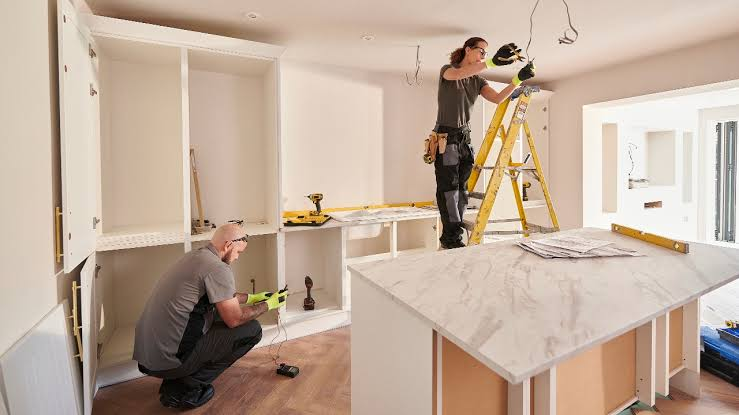
The installation is just as important as the door itself.
Are Energy-Efficient Interior Doors Worth It?
Unlike exterior doors, interior doors won’t dramatically lower your utility bills on their own.
However, they contribute to overall home efficiency by:
- Reducing unwanted airflow
- Improving room-to-room temperature control
- Supporting HVAC performance
- Making occupied rooms more comfortable
Combined with proper insulation and quality windows, they become part of a more energy-efficient home.
Maintenance Tips
To keep interior doors performing well:
- Tighten loose hinges annually.
- Clean tracks on sliding doors.
- Check weatherstripping for wear.
- Repaint or refinish damaged surfaces.
- Lubricate hinges and latches.
- Inspect for gaps around the frame.
Regular maintenance helps preserve both appearance and performance.
Final Thoughts
Choosing interior doors involves much more than selecting a design that matches your home’s style. The right door can make bedrooms quieter, home offices more productive, and living spaces more comfortable throughout the year.
For most homeowners, solid-core doors offer the best balance of privacy, durability, and energy efficiency. Pair them with quality frames, proper sealing, and professional installation, and you’ll enjoy long-term improvements in comfort and everyday living.
While premium doors cost more upfront, they often provide better performance, longer service life, and a more solid feel every time you open and close them—making them a worthwhile investment for many homes.