Home Elevator Installation Considerations for Multi-Level Residential Properties
Home elevators were once considered a luxury feature found mainly in large custom-built residences, but they have become increasingly popular in modern multi-level homes. Advances in technology, improved designs, and greater awareness of accessibility needs have made residential elevators a practical option for many homeowners.
A home elevator can improve convenience, increase property value, and make a house more comfortable for people of different ages and mobility levels. Whether installed for aging-in-place planning, accessibility, carrying heavy items between floors, or simply enhancing daily convenience, a residential elevator can significantly improve the way a multi-level home functions.
However, installing a home elevator is a complex project that requires careful planning. Homeowners must consider available space, structural requirements, safety regulations, maintenance needs, energy use, and long-term goals before making a decision.
A successful installation requires more than selecting an elevator model. The system must be properly integrated into the home’s design while ensuring safe and reliable operation for many years.
Understanding the Purpose of a Home Elevator
Before installing a residential elevator, homeowners should clearly identify why they need one. The purpose of the elevator influences the design, size, location, and type of system required.
Common reasons for installing home elevators include:
- Improving accessibility for people with mobility challenges
- Preparing a home for aging in place
- Increasing convenience in large homes
- Transporting heavy items between floors
- Adding luxury features to a property
For some homeowners, an elevator is a future-planning investment. Even if mobility is not currently an issue, installing an elevator can help ensure that the home remains comfortable and usable as needs change over time.
Space Planning and Location Selection
One of the biggest challenges of home elevator installation is determining where the elevator will be placed. Unlike furniture or temporary features, an elevator requires dedicated space and structural planning.
Important location considerations include:
- Available floor area
- Access between levels
- Structural support
- Impact on existing rooms
- Future usability
Common installation locations include:
- Near staircases
- Central areas of the home
- Existing closets or unused spaces
- Garage-to-living-area connections
- Exterior additions
A well-positioned elevator should provide convenient access without disrupting the overall flow of the house.
Evaluating Existing Home Structure
Installing an elevator in an existing home often requires modifications to the structure. Before construction begins, professionals must evaluate whether the building can support the system.
Structural considerations include:
- Floor strength
- Ceiling height
- Wall modifications
- Foundation requirements
- Load capacity
Some elevator systems require a traditional shaft, while others are designed with simpler installation requirements.
Older homes may require additional reinforcement to accommodate the elevator safely.
Types of Residential Home Elevators
Homeowners have several elevator options depending on their needs, budget, and available space.
Hydraulic Home Elevators
Hydraulic elevators are among the most traditional residential elevator systems. They operate using hydraulic power to move the elevator cab between floors.
Advantages include:
- Smooth operation
- Strong lifting capacity
- Reliable performance
- Suitable for multiple floors
However, hydraulic systems often require more space because they may need a machine room and additional construction.
They are commonly used in larger homes where space is available.
Traction Elevators
Traction elevators use cables and counterweights to move the elevator cab.
Benefits include:
- Efficient operation
- Smooth movement
- Reduced energy consumption
- Compact design options
These systems are often chosen for modern homes because they can provide excellent performance with less mechanical space.
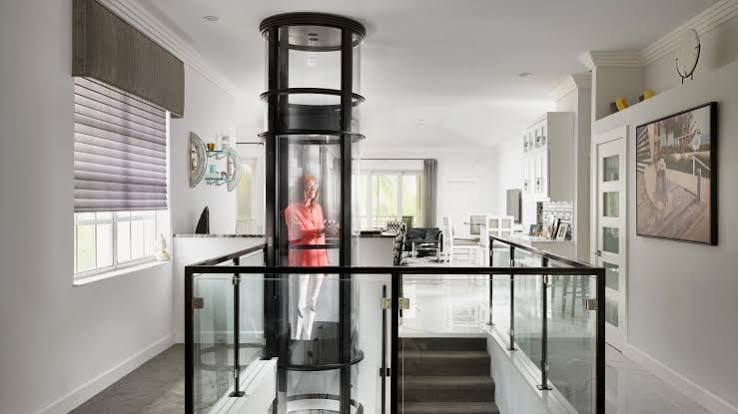
Pneumatic Vacuum Elevators
Pneumatic elevators use air pressure technology to move the cab vertically.
They are popular in residential settings because they often require less construction.
Advantages include:
- Compact design
- Modern appearance
- Easier installation
- Minimal structural changes
These elevators are often suitable for smaller homes where traditional elevator systems may not fit.
Shaftless Elevators
Shaftless elevators are designed for homes where space is limited. They usually travel between two floors and require fewer modifications.
They can be useful for:
- Existing homes
- Small properties
- Accessibility improvements
However, they may have limitations in capacity and travel distance.
Accessibility and Aging-in-Place Benefits
One of the primary reasons homeowners install elevators is to support aging in place. A multi-level home can become challenging as mobility changes over time.
A home elevator can help residents:
- Move safely between floors
- Avoid stair-related risks
- Carry groceries and household items
- Maintain independence
For individuals using wheelchairs or mobility devices, elevators can make a significant difference in daily comfort.
Planning for accessibility early allows homeowners to remain in their preferred homes longer.
Safety Features to Consider
Safety is the most important factor when selecting a residential elevator. Modern systems include various features designed to protect users.
Important safety features include:
- Emergency stop controls
- Backup power systems
- Door sensors
- Automatic lighting
- Emergency communication systems
- Safety brakes
Homeowners should choose systems that meet required safety standards and are installed by qualified professionals.
Regular inspections and maintenance are also essential for safe operation.
Design Integration with Home Interiors
A home elevator does not have to look like a commercial building feature. Modern residential elevators are available in many designs that can complement interior styles.
Customization options include:
- Glass elevator cabins
- Wood finishes
- Decorative lighting
- Custom flooring
- Modern control panels
A well-designed elevator can become an attractive architectural feature rather than something that feels added afterward.
Many homeowners choose designs that match their:
- Staircase materials
- Flooring
- Wall finishes
- Interior color schemes
Energy Efficiency Considerations
Energy use is another important factor when selecting a home elevator.
Modern elevator systems are designed to improve efficiency through:
- Energy-saving motors
- LED lighting
- Standby modes
- Efficient drive systems
Homeowners should compare different models based on both installation costs and long-term operating expenses.
An energy-efficient elevator can provide convenience without creating excessive utility costs.
Installation Costs and Budget Planning
The cost of installing a home elevator varies depending on several factors, including:
- Elevator type
- Number of floors served
- Construction requirements
- Custom features
- Materials selected
Expenses may include:
- Equipment purchase
- Structural modifications
- Electrical work
- Interior finishing
- Permits
- Maintenance agreements
Homeowners should prepare a detailed budget that includes both installation and future service costs.
Choosing the cheapest option may not always provide the best long-term value. Reliability, safety, and maintenance availability should also influence the decision.
Permits and Building Regulations
Home elevator installation requires compliance with local building regulations and safety standards.
Requirements may include:
- Construction permits
- Electrical approvals
- Safety inspections
- Accessibility considerations
Working with experienced professionals helps ensure that the project meets all necessary requirements.
Ignoring regulations can create safety risks and problems when selling the property in the future.
Maintenance Requirements
Like any mechanical system, home elevators require regular maintenance to remain reliable.
Maintenance may include:
- Mechanical inspections
- Safety testing
- Lubrication
- Electrical checks
- Component replacement
A maintenance schedule helps prevent unexpected breakdowns and extends the life of the elevator.
Homeowners should consider service availability before selecting an elevator brand or system.
Common Mistakes During Elevator Installation
Several planning mistakes can create problems during installation.
Choosing the Wrong Elevator Size
An elevator that is too small may not meet future needs. Homeowners should consider whether it needs to accommodate:
- Multiple passengers
- Wheelchairs
- Large household items
Planning for future requirements prevents expensive upgrades later.
Ignoring Future Lifestyle Changes
A home elevator should support long-term living goals. A system designed only for current needs may become unsuitable as circumstances change.
Considering future accessibility needs can make the investment more valuable.
Poor Location Planning
A poorly positioned elevator can create inconvenience and reduce usable living space.
The elevator should be located where it naturally connects important areas of the home.
Selecting an Inexperienced Installer
Installation quality directly affects safety and performance.
Homeowners should choose professionals with experience in residential elevator projects and a strong understanding of local requirements.
Adding Value to Multi-Level Homes
A residential elevator can increase the appeal and value of a property, especially for buyers looking for accessibility and long-term comfort.
Features such as aging-in-place design, improved convenience, and luxury upgrades can make a home more attractive in the real estate market.
However, the value added depends on factors such as location, buyer demand, and overall home design.
Conclusion
Home elevator installation is a significant investment that can greatly improve the comfort, accessibility, and functionality of a multi-level residence. However, successful installation requires careful planning, from choosing the right elevator type to evaluating structural requirements and considering future needs.
Homeowners should focus on safety, reliability, design integration, and long-term maintenance when selecting a residential elevator system. Whether the goal is aging in place, improving convenience, or adding a premium feature, a properly planned home elevator can transform the way people experience their living space.
With professional guidance and thoughtful design decisions, a residential elevator can provide years of safe, convenient, and comfortable access throughout the home.