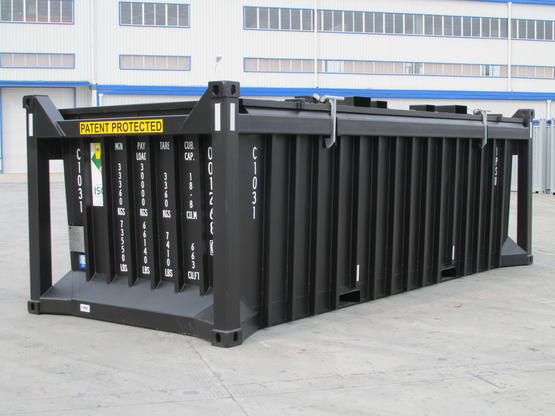
10 Key Features of Modern Mining Containers (Like Mineral Concentrate Rotainers)
Modern mining operations move massive volumes of material every day. From remote mine sites to ports and processing plants, the way minerals are stored and transported plays a big role in safety, cost, and efficiency. This is where mining containers come in. They are no longer just steel boxes. Today, they are carefully engineered tools designed to handle heavy loads, harsh environments, and strict transport rules.
In this article, you will learn what mining containers are, why design matters, and the 10 key features that define modern solutions such as mineral concentrate rotainers. Whether you manage logistics, procurement, or operations, these insights will help you understand what to look for in the right container.
What Are Mining Containers?
Mining containers are specialized containers used to store, handle, and transport mined materials such as ores, concentrates, and other bulk minerals. Unlike standard shipping containers, they are built for extreme weight, abrasion, and repeated handling.
These containers are commonly used for mineral concentrates like copper, zinc, lead, and gold. They support safe movement from mine to port while reducing material loss, dust, and contamination. Their design also allows them to work smoothly with cranes, tipplers, and intermodal transport systems.
The Role of Design in Mining Containers
Heavy-Duty Construction
Mining environments are tough. Containers must handle constant loading, unloading, and stacking while carrying very dense materials. Modern mining containers use high-strength steel and reinforced frames to prevent bending or cracking under load. Strong corner castings and side walls ensure the container holds its shape even after years of use.
Internal Geometry for Efficient Discharge
One major design improvement is the internal shape of the container. Flat interiors can cause material to stick or bridge, slowing down unloading. Newer designs use sloped walls and smooth internal surfaces so mineral concentrates flow out easily. This reduces downtime and lowers the need for manual intervention.
Many mining companies now rely on specialized mining containers such as mineral concentrate rotainers because they combine smart internal geometry with rugged construction.
10 Key Features of Modern Mining Containers
1. High Payload with Low Tare Weight
Modern containers are designed to carry more material without becoming heavier themselves. A high payload capacity means fewer trips and lower transport costs. At the same time, keeping the container’s own weight low helps meet road and rail limits.
2. Stackability Under Full Load
Stacking is essential at ports and storage yards. Advanced mining containers are engineered to stack safely even when fully loaded. This saves space and improves handling efficiency while maintaining safety standards.
3. Waterproof and Dust-Tight Lids
Mineral concentrates must be protected from moisture and dust release. Removable hard lids or sealed covers keep rain out and prevent dust from escaping during transport. This is especially important for environmental compliance and worker safety.
4. Compatibility with Tipplers and Rotating Equipment
Many modern mining facilities use tipplers or rotating spreaders to unload containers quickly. Containers designed for rotation can be safely tipped without damage. This speeds up unloading and reduces labor costs.
5. Corrosion and Abrasion Resistance
Minerals can be highly abrasive, and some concentrates are corrosive. Protective coatings and wear-resistant steel help containers last longer. This lowers maintenance costs and extends service life, even in coastal or humid environments.
6. Certified for Bulk and Dangerous Goods
Transporting mineral concentrates often requires compliance with international regulations. Modern mining containers are built and tested to meet standards such as IMO and IMDG. This ensures they can be used for global shipping without legal or safety issues.
7. Versatility Across Mineral Types
A good mining container should handle different materials without major changes. Modern designs can be used for copper, zinc, lead, and other concentrates. This flexibility helps operators adapt to changing production needs.
8. Compatibility with Multiple Handling Systems
Mining containers must work with cranes, forklifts, reach stackers, and spreaders. Standardized lifting points and corner castings make them easy to handle across different sites and equipment types.
9. Easy Maintenance and Long Service Life
Downtime is expensive in mining. Containers designed with fewer moving parts and strong structural elements require less maintenance. When repairs are needed, accessible components make the job quicker and simpler.
10. Optimized for Intermodal Transport
Modern mining containers are built for smooth movement between ship, rail, and truck. This intermodal capability reduces the need for repacking materials, cutting down on handling time and material loss.
Example Use Case: Mineral Concentrate Rotainers
Mineral concentrate rotainers are a clear example of how modern design improves mining logistics. These containers are built to handle heavy concentrates while allowing full rotation during unloading. Their internal shape supports complete discharge, and their sealed lids help control dust.
Because they meet global transport standards, they can move seamlessly from mine to port and onward to international destinations. For operations that ship large volumes regularly, this type of container can significantly improve efficiency and safety.
How to Choose the Right Container for Your Mining Operation
Match the Container to the Material
Different minerals behave differently. Some flow easily, while others tend to stick. Make sure the container’s internal design matches the type of concentrate you transport.
Consider Handling and Logistics
Look at how the container will be loaded, moved, and unloaded. If your facility uses tipplers or rotating equipment, choose a container designed for that purpose.
Review Environmental and Regulatory Needs
Dust control, moisture protection, and certification all matter. Choosing a compliant container helps avoid fines, delays, and safety risks.
Conclusion
Mining containers have evolved into highly specialized tools that support safe, efficient, and cost-effective mineral transport. From heavy-duty construction to smart discharge design and intermodal compatibility, each feature plays a role in modern mining logistics.
By understanding these 10 key features, mining professionals can make better decisions that improve operations and reduce long-term costs. Choosing the right container is not just about strength. It is about performance, safety, and reliability across the entire supply chain.
Keep an eye for more latest news & updates on Fappening Blog!