Kitchen Ventilation Problems and Better Solutions for Removing Heat and Odors
The kitchen is one of the most active areas in any home, where cooking, cleaning, and daily activities create heat, moisture, smoke, and odors. While modern kitchens often focus on attractive cabinets, countertops, and appliances, ventilation is one of the most important features that affects comfort, indoor air quality, and the long-term condition of the space.
A poorly ventilated kitchen can quickly become uncomfortable. Heat from cooking appliances can raise indoor temperatures, strong food odors can spread throughout the home, and excess moisture can contribute to mold growth, damaged finishes, and poor air quality. These problems are especially common in open-concept homes where kitchen air easily moves into living and dining areas.
Effective kitchen ventilation removes airborne pollutants, controls humidity, reduces heat buildup, and creates a healthier indoor environment. However, many homeowners experience ventilation problems because of incorrectly sized exhaust systems, poor installation, limited airflow, or outdated equipment.
Understanding common kitchen ventilation challenges and exploring better solutions can help homeowners create a more comfortable and efficient cooking environment.
The Importance of Proper Kitchen Ventilation
Cooking produces more than just pleasant aromas. Everyday activities such as frying, boiling, baking, and grilling release various particles and gases into the air.
Common kitchen pollutants include:
- Smoke
- Grease particles
- Steam
- Carbon monoxide from gas appliances
- Food odors
- Excess humidity
Without proper ventilation, these pollutants remain indoors and can affect air quality.
A good ventilation system helps:
- Remove cooking odors
- Reduce indoor heat
- Prevent moisture damage
- Protect cabinets and walls
- Improve comfort
- Maintain cleaner air
Proper ventilation is especially important in modern energy-efficient homes because tightly sealed buildings allow fewer natural air exchanges.
Common Kitchen Ventilation Problems
Weak or Ineffective Range Hood Performance
One of the most common kitchen ventilation issues is a range hood that does not effectively remove smoke, heat, and odors.
This can happen because:
- The hood is too small for the cooking area
- The exhaust fan has insufficient power
- The ductwork is poorly designed
- Filters are dirty
- The hood is installed too high above the stove
A decorative hood may look attractive but fail to provide adequate ventilation if it is not properly sized.
The effectiveness of a range hood depends on its ability to capture pollutants directly from the cooking surface before they spread throughout the room.
Incorrect Range Hood Size
Choosing the wrong hood size can significantly reduce ventilation performance.
A hood should generally match the width of the cooking surface or extend slightly beyond it. A small hood may allow smoke and steam to escape around the edges.
Large cooking areas with powerful burners require stronger ventilation systems than smaller residential cooktops.
Homeowners should consider:
- Stove size
- Cooking habits
- Appliance heat output
- Kitchen layout
Selecting the correct hood capacity ensures better removal of heat and odors.
Poor Duct Design
Even a high-quality range hood can perform poorly if the duct system is incorrectly designed.
Common duct problems include:
- Long duct runs
- Too many bends
- Narrow duct sizes
- Blockages
- Improper outdoor vent connections
Poor ductwork reduces airflow and increases noise.
A well-designed duct system should provide a direct path for air to exit the home whenever possible.
Recirculating Ventilation Limitations
Some kitchens use recirculating range hoods that filter air and return it back into the room instead of exhausting it outside.
These systems can reduce some odors and grease particles but have limitations.
They often struggle with:
- Removing heat
- Eliminating moisture
- Removing combustion gases
For homes with gas cooking appliances or frequent cooking, an externally vented system is usually more effective.
Excess Heat from Cooking Appliances
Cooking appliances generate significant heat, especially during activities such as frying, boiling, and grilling.
Without proper ventilation, heat can accumulate and make the kitchen uncomfortable.
Signs of poor heat control include:
- Increased indoor temperature
- Excessive air conditioning use
- Uncomfortable cooking conditions
- Heat spreading to nearby rooms
A powerful ventilation system helps remove hot air before it affects the rest of the home.
Persistent Cooking Odors
Food smells can linger for hours or even days when ventilation is inadequate.
Strong odors from foods such as:
- Fried foods
- Spices
- Seafood
- Grilled meats
can spread through furniture, curtains, and fabrics.
Effective ventilation captures odors at the source instead of allowing them to circulate throughout the home.
Moisture and Humidity Problems
Cooking releases large amounts of moisture, especially when boiling water or using steam-based cooking methods.
Excess humidity can contribute to:
- Mold growth
- Peeling paint
- Cabinet damage
- Condensation problems
Removing moisture through proper exhaust ventilation protects both the kitchen and the rest of the home.
Choosing the Right Kitchen Ventilation System
Ducted Range Hoods
Ducted range hoods are considered one of the most effective ventilation solutions because they remove contaminated air completely from the home.
Advantages include:
- Strong odor removal
- Better heat control
- Improved moisture management
- Removal of cooking pollutants
They are especially suitable for homeowners who cook frequently or use high-powered appliances.
The main challenge is that installation requires proper duct routing to the exterior.
Recirculating Range Hoods
Recirculating systems are easier to install because they do not require exterior ductwork.
They use filters to clean the air before returning it to the kitchen.
Benefits include:
- Lower installation cost
- Flexible placement
- Suitable for apartments or spaces where ducting is impossible
However, they require regular filter replacement and do not remove heat or moisture as effectively as ducted systems.
Downdraft Ventilation Systems
Downdraft systems pull cooking emissions downward through vents near the cooking surface.
They are often used with:
- Kitchen islands
- Modern minimalist designs
- Open layouts
Their advantage is maintaining a clean visual appearance without a large overhead hood.
However, they may not be as effective as traditional overhead systems because hot air naturally rises.
Ceiling-Mounted Ventilation Systems
Ceiling-mounted exhaust systems are becoming more popular in contemporary kitchens.
They provide ventilation while maintaining an open visual design.
These systems work well in:
- Large kitchens
- Island cooking areas
- Luxury home designs
Proper installation and airflow calculation are essential for effective performance.
Improving Existing Kitchen Ventilation
Homeowners do not always need a complete kitchen renovation to improve ventilation.
Several improvements can make a significant difference.
Upgrade the Range Hood
Replacing an outdated hood with a more powerful model can greatly improve air quality.
Important features include:
- Appropriate airflow capacity
- Quiet operation
- Efficient filters
- Proper lighting
- Automatic controls
The hood should match the homeowner’s cooking style and appliance power.
Clean and Maintain Filters
Dirty filters reduce airflow and allow grease buildup.
Maintenance should include:
- Cleaning reusable filters
- Replacing disposable filters
- Checking fan operation
Regular maintenance keeps ventilation systems working efficiently.
Improve Kitchen Airflow
Ventilation works best when replacement air can enter the kitchen.
A powerful exhaust system may struggle if the home is too tightly sealed.
Solutions may include:
- Makeup air systems
- Improved air circulation
- Proper HVAC balancing
Balanced airflow improves comfort and ventilation performance.
Use Smart Ventilation Technology
Modern ventilation systems include advanced features such as:
- Automatic sensors
- Variable fan speeds
- Remote controls
- Smart home integration
These features allow ventilation systems to operate efficiently based on cooking conditions.
Ventilation Considerations for Open-Concept Kitchens
Open-concept kitchens require special attention because odors and heat can easily move into connected living areas.
Important design strategies include:
- Installing a properly sized exhaust system
- Choosing quiet ventilation equipment
- Positioning air returns carefully
- Creating effective airflow patterns
A powerful but noisy hood may discourage homeowners from using it regularly, so noise control is also important.
Gas Appliances and Ventilation Safety
Gas cooking appliances require proper ventilation because combustion can produce gases that affect indoor air quality.
Important safety considerations include:
- Adequate exhaust capacity
- Carbon monoxide protection
- Professional appliance installation
- Regular maintenance
Homeowners using gas ranges should pay particular attention to ventilation design.
Balancing Performance and Kitchen Design
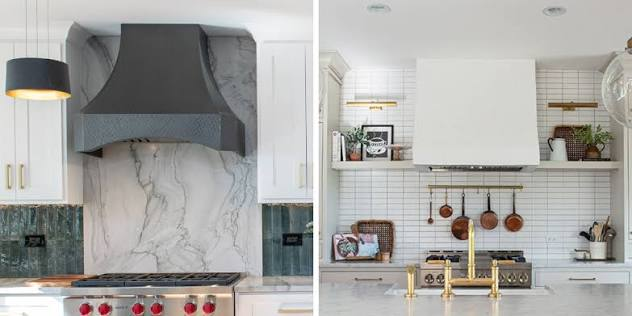
Many homeowners worry that effective ventilation will negatively affect kitchen appearance. However, modern solutions allow ventilation systems to become attractive design features.
Options include:
- Custom decorative hoods
- Hidden ventilation systems
- Stainless steel finishes
- Integrated designs
A successful kitchen design combines both appearance and performance.
Conclusion
Kitchen ventilation is essential for maintaining comfort, protecting indoor air quality, and preventing long-term damage caused by heat, odors, and moisture. Problems such as weak range hoods, poor duct design, and inadequate airflow can reduce the effectiveness of even the most attractive kitchen.
Choosing the right ventilation solution depends on cooking habits, kitchen layout, appliance type, and home design. Ducted range hoods provide powerful performance, while modern alternatives such as downdraft and ceiling-mounted systems offer flexibility for different spaces.
With proper planning, installation, and maintenance, a well-designed kitchen ventilation system can create a cleaner, healthier, and more comfortable cooking environment while preserving the beauty and functionality of the home.