Choosing Exterior Cladding for Extreme Weather Instead of Curb Appeal Alone
When people think about exterior cladding, the first thing that usually comes to mind is appearance. Color, texture, and architectural style often dominate the conversation. While these factors certainly matter, they should never be the only reason for choosing a cladding material. If your home is located in an area that experiences harsh weather, durability and performance deserve far more attention than looks alone.
Extreme weather has become more common in many regions. Homes now face stronger winds, heavier rainfall, longer heatwaves, freezing winters, hailstorms, and even wildfires. In these conditions, your exterior cladding acts as the first line of defense. Choosing the right material can reduce maintenance costs, improve energy efficiency, and help protect the structure for decades.
This guide explains how to evaluate exterior cladding based on weather performance rather than appearance alone, helping you make a decision that benefits both your home and your budget.
Why Exterior Cladding Matters More Than Ever
Exterior cladding is the protective layer installed over the outside walls of a building. It shields the structural frame from moisture, sunlight, temperature changes, and physical damage while also improving insulation.
When selected carefully, quality cladding can:
- Protect against water penetration
- Resist wind damage
- Reduce heat transfer
- Improve indoor comfort
- Extend the lifespan of the building
- Lower long-term maintenance costs
- Increase overall property value
A beautiful exterior may catch attention today, but reliable protection is what keeps a home standing strong for years.
Understand Your Local Climate First
There is no universal “best” cladding material because weather conditions vary from place to place. The right choice depends on the challenges your home faces throughout the year.
Ask yourself questions like:
- Does your area receive heavy rainfall?
- Are hurricanes or strong winds common?
- Do temperatures regularly fall below freezing?
- Is intense sunlight a year-round concern?
- Are wildfires a seasonal risk?
- Does your property experience frequent hailstorms?
Understanding these conditions makes it much easier to narrow down suitable materials.
Moisture Resistance Should Be a Priority
Water is one of the biggest threats to any building. Even small leaks can eventually lead to mold growth, wood rot, insulation damage, and expensive repairs.
Exterior cladding should resist rain while allowing trapped moisture inside the wall system to escape.
Good moisture-resistant options include:
- Fiber cement
- Engineered stone
- Brick veneer
- Metal cladding
- High-quality vinyl systems with proper installation
No material can perform well if installed incorrectly. Flashing, drainage planes, weather barriers, and ventilation behind the cladding are just as important as the material itself.
Wind Resistance Is Often Overlooked
In areas exposed to storms or hurricanes, wind resistance should be one of the top considerations.
Strong winds can loosen panels, pull siding away from walls, and create openings where rain enters.
Materials commonly known for excellent wind performance include:
- Fiber cement panels
- Steel cladding
- Aluminum systems
- Brick
- Stone
The fastening system is equally important. Manufacturers often provide wind ratings that indicate how much pressure their products can withstand.
Professional installation following local building codes plays a major role in achieving those ratings.
Heat and UV Exposure Can Age Materials Quickly
Homes in hot climates face constant exposure to sunlight.
Intense UV rays gradually fade colors, weaken certain plastics, and increase thermal expansion.
Good heat-resistant materials include:
Fiber Cement
Fiber cement remains stable under high temperatures and resists fading better than many alternatives.
Metal Cladding
Modern coated steel and aluminum reflect heat effectively while maintaining their appearance for years.
Brick
Brick naturally handles high temperatures and rarely suffers from UV-related damage.
Choosing lighter exterior colors can also reduce heat absorption and help lower cooling costs.
Freeze-Thaw Cycles Require Durable Materials
Cold climates create a different challenge.
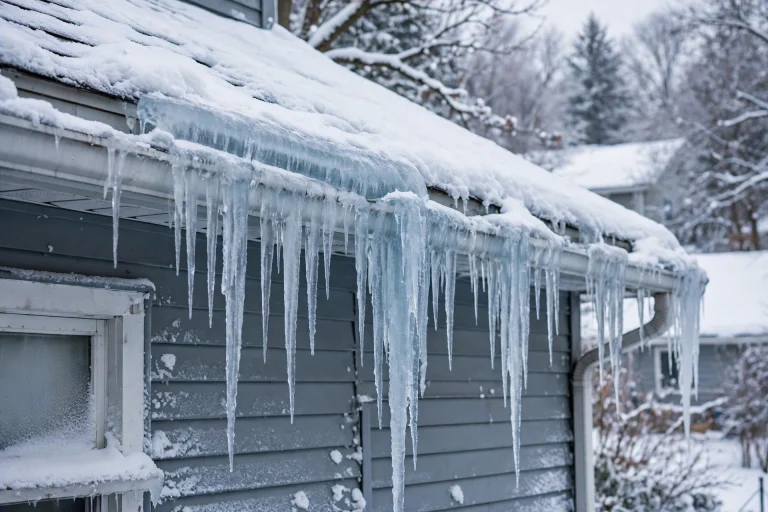
Water can enter tiny cracks in cladding. When temperatures drop below freezing, the water expands, making those cracks larger over time.
Materials that perform well in freezing conditions include:
- Brick
- Natural stone
- Fiber cement
- Engineered wood designed for cold climates
Products with poor moisture resistance tend to deteriorate much faster during repeated freeze-thaw cycles.
Fire Resistance Is Becoming More Important
Many homeowners now consider wildfire protection when selecting building materials.
Fire-resistant cladding can slow flame spread and reduce structural damage.
Common options include:
- Fiber cement
- Brick
- Stone
- Stucco
- Steel
- Aluminum
Although no material guarantees complete protection during severe fires, non-combustible materials generally perform much better than traditional wood siding.
Don’t Ignore Impact Resistance
Hail, falling branches, and flying storm debris can damage exterior walls.
Some materials dent easily, while others resist impacts far better.
Excellent impact-resistant choices include:
- Fiber cement
- Brick
- Stone
- Engineered concrete panels
Thin vinyl siding may crack under heavy impacts, particularly in colder temperatures.
Energy Efficiency Depends on the Entire Wall System
Many homeowners assume cladding alone determines insulation performance.
In reality, insulation, air barriers, weather-resistant membranes, and installation quality all work together.
However, certain cladding systems contribute by reducing thermal bridging and improving wall ventilation.
Ventilated rainscreen systems have become increasingly popular because they allow moisture to escape while improving energy efficiency.
Maintenance Should Match Your Lifestyle
Some homeowners enjoy regular maintenance.
Others prefer materials they can largely forget about.
Before choosing exterior cladding, consider how much maintenance you’re realistically willing to perform.
Low Maintenance
- Fiber cement
- Brick
- Stone
- Metal
- Composite panels
Moderate Maintenance
- Engineered wood
High Maintenance
- Natural wood siding
- Traditional timber boards
Ignoring required maintenance often shortens the lifespan of any material.
Compare Long-Term Costs Instead of Initial Price
Cheaper products often appear attractive during construction.
However, lower upfront costs may lead to:
- Frequent repainting
- Repairs
- Water damage
- Replacement panels
- Higher insurance claims
Instead of focusing only on installation cost, evaluate the total cost over twenty to thirty years.
A premium product may save thousands in future maintenance.
Building Codes Matter
Extreme weather regions usually have stricter construction requirements.
Local regulations may specify:
- Wind load ratings
- Fire resistance standards
- Installation methods
- Fastener requirements
- Moisture protection systems
Choosing products that already meet local codes reduces complications during construction and inspections.
Always verify manufacturer certifications before purchasing.
Think About Insurance Benefits
Some insurance providers recognize the reduced risk associated with stronger building materials.
Homes with fire-resistant roofing, impact-resistant siding, or hurricane-rated exterior systems may qualify for lower premiums in certain areas.
Even when discounts are unavailable, durable materials can reduce future insurance claims by minimizing weather-related damage.
Sustainability Is Becoming a Practical Advantage
Environmentally responsible products often provide practical benefits beyond reducing environmental impact.
Look for materials that offer:
- Long service life
- Recyclability
- Low maintenance
- Energy-efficient manufacturing
- Reduced replacement frequency
Long-lasting materials create less waste over the lifetime of a building.
Installation Quality Is Just as Important as Material Choice
The highest-rated cladding product can still fail if installed poorly.
Common installation mistakes include:
- Improper flashing
- Missing expansion gaps
- Poor fastening
- Inadequate sealing
- Incorrect moisture barriers
Hiring experienced installers who follow manufacturer guidelines is one of the best investments you can make.
Questions to Ask Before Buying Exterior Cladding
Before making your final decision, ask these questions:
- How does this material perform in my local climate?
- What maintenance will it require?
- Is it resistant to moisture and UV exposure?
- Can it withstand local wind conditions?
- Does it meet current building codes?
- How long is the warranty?
- What repairs are common after ten years?
- Is professional installation recommended?
- What is the expected lifespan?
- Will replacement parts still be available in the future?
These questions help move the discussion beyond appearance and toward long-term performance.
Common Mistakes Homeowners Make
Many people regret their cladding choice because they focus on style instead of durability.
Some common mistakes include:
- Choosing based only on color
- Ignoring local weather conditions
- Selecting the cheapest option available
- Hiring inexperienced installers
- Skipping moisture protection layers
- Underestimating maintenance requirements
- Not checking warranty details
- Assuming all cladding materials perform equally
Avoiding these mistakes can save significant money over the life of your home.
Final Thoughts
Exterior cladding is much more than a decorative finish. It protects your home from the elements every single day. While curb appeal can enhance a property’s appearance, weather resistance, durability, and long-term performance should always come first.
The best choice depends on your climate, local building requirements, maintenance expectations, and budget. Materials such as fiber cement, brick, stone, metal, and other modern cladding systems each offer strengths for different environments, but no product can deliver its full potential without proper installation.
By focusing on protection rather than appearance alone, homeowners can invest in an exterior that not only looks good but also withstands years of harsh weather with fewer repairs, better energy efficiency, and greater peace of mind.